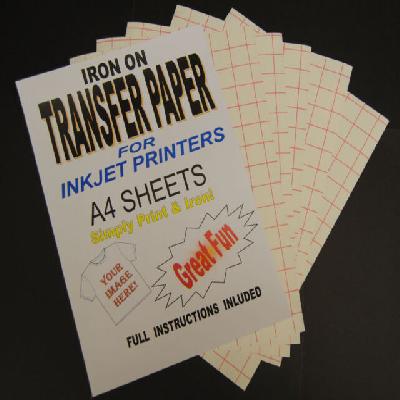
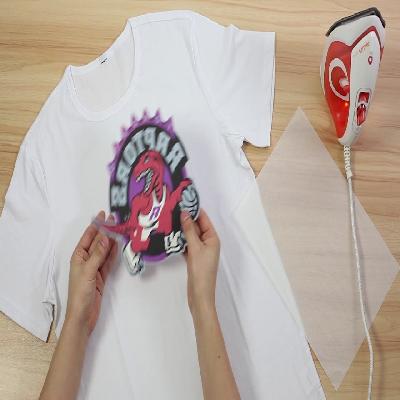
Transfer papers are a type of paper used for transferring images or designs onto various surfaces, such as fabric, metal, and plastic.
Where To Use Transfer Papers
Transfer papers can be used in various applications, including:
Screen printing
Digital printing
Heat transfer printing
Ceramic printing
Key Features Of Transfer Papers
High-quality print resolution
Durable and long-lasting
Easy to use and handle
Cost-effective
How To Use Transfer Papers
Pre-treat the surface with a suitable primer or coating
Apply the transfer paper to the surface, following the manufacturer's instructions
Cure the image using heat or light, depending on the printing method used
Allow the image to cool and dry completely before handling
How Transfer Papers Is Manufactured
The manufacturing process for transfer papers involves several stages, including:
Formulation of the paper coating
Coating application and drying
Printing and finishing
Quality control and packaging
Technical Specification Of Transfer Papers
Size:
A3, A2, A1
Print Type:
UV, inkjet, laser
Pack Type:
Rolls, sheets
Finish:
Matte, glossy
The technical specifications of transfer papers are designed to meet the needs of various industries and applications. The size options allow for flexibility in printing and handling, while the print type options cater to different printing methods. The pack type options provide convenience and ease of use, and the finish options enhance the aesthetic appeal of the printed images.
Description Of Transfer Papers
Transfer papers are a type of paper used for transferring images or designs onto various surfaces, such as fabric, metal, and plastic. They are designed to provide high-quality print resolution, durability, and ease of use.
Related Products & Synonyms Of Transfer Papers
Transfer papers are related to other products such as: