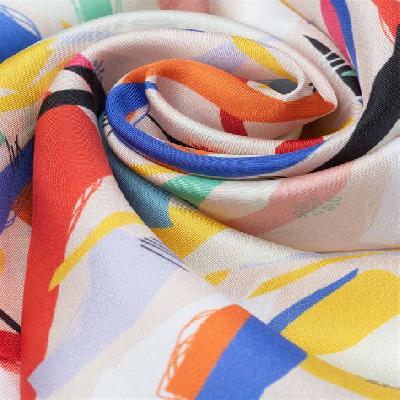
Twill fabric is a type of woven fabric characterized by its distinctive diagonal ribs, created by the twill weave technique. This construction gives the fabric a rugged and durable appearance. Twill fabric is often used in apparel and upholstery due to its versatility and ease of care.
Where To Use Twill Fabric
Twill fabric is suitable for a wide range of applications, including:
Apparel: Jackets, trousers, skirts, and dresses
Upholstery: Furniture, car seats, and boat interiors
Decorative purposes: Tablecloths, curtains, and wall hangings
Key Features Of Twill Fabric
Durable and long-lasting due to the twill weave technique
Water-resistant, making it suitable for outdoor use
Easily cleanable and resistant to wrinkles
Available in a range of colors and patterns
How To Use Twill Fabric
Choose the right type of twill fabric for your specific project
Pre-wash and pre-shrink the fabric before use to prevent shrinkage and ensure accurate measurements
Carefully cut out patterns or shapes, as the fabric may fray easily
Follow standard sewing techniques for a professional finish
How Twill Fabric Is Manufactured
Twill fabric is manufactured through the following process:
Yarn selection and dyeing
Weaving on a twill loom, creating the distinctive diagonal ribs
Finishing treatments, such as washing and ironing
Technical Specification Of Twill Fabric
Fiber Content:
Cotton, polyester blend
Weight:
Medium weight (350gsm)
Thickness:
5mm
Yarn Count:
20/2
Thread Count:
200 threads per inch
The technical specification of twill fabric is designed to provide a comprehensive overview of its characteristics and performance. The fiber content, weight, thickness, yarn count, and thread count are all critical factors that determine the fabric's durability, ease of care, and overall quality.
Description Of Twill Fabric
Twill fabric is a versatile and durable woven fabric, characterized by its distinctive diagonal ribs created through the twill weave technique. It is suitable for various applications, including apparel, upholstery, and decorative purposes.