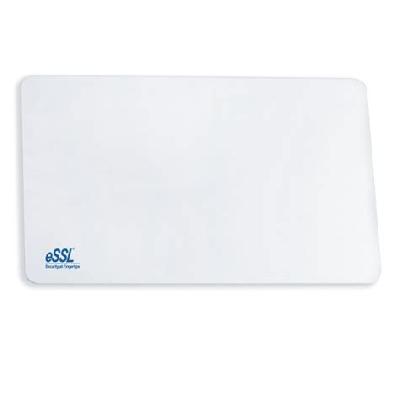
UHF (Ultra High Frequency) tags are a type of radio-frequency identification (RFID) technology used for tracking and identifying objects or people. They operate at a frequency range of 868-928 MHz, which is higher than the common HF band. UHF tags are widely used in various industries such as logistics, manufacturing, healthcare, and more.
Where To Use Uhf Tag
Inventory management and tracking in warehouses and stores
Supply chain optimization and supply chain management
Asset tracking in manufacturing, maintenance, and operations
Patient tracking in healthcare facilities
Sports equipment and player identification
Access control and security systems
Animal identification and tracking
Key Features Of Uhf Tag
High frequency range for better accuracy and longer reading distance
Long-lasting battery life or no battery required for passive tags
Waterproof and durable construction for harsh environments
Easy to integrate with existing systems and infrastructure
Flexible and customizable options for various applications
How To Use Uhf Tag
Attach the tag to the object or person you want to track or identify
Use a compatible reader to scan and read the tag's information
Integrate with existing systems for seamless data transfer and processing
Monitor and analyze data in real-time for improved decision-making
How Uhf Tag Is Manufactured
The manufacturing process of UHF tags involves several steps, including:
Design and prototyping of the tag's shape and size
Precision cutting and stamping of the tag material
Application of RFID chips or antennas for data transmission
Quality control and testing to ensure accuracy and durability
Packaging and labeling for distribution and storage
Technical Specification Of Uhf Tag
Frequency Range:
868-928 MHz
Material:
Polycarbonate (PC), Polyethylene (PE)
Data Capacity:
Up to 2 KB or more, depending on the model
Applications:
Inventory management, supply chain optimization, asset tracking, patient identification, and more.
The technical specifications of UHF tags are designed to meet the needs of various applications. The frequency range allows for accurate reading at a distance, while the material ensures durability in harsh environments. The data capacity enables efficient storage and transfer of information, making it suitable for inventory management, supply chain optimization, and asset tracking. Additionally, the applications of UHF tags extend beyond these fields, including patient identification and access control.
Description Of Uhf Tag
The UHF tag is a compact and lightweight device that consists of a RFID chip, an antenna, and a protective casing made from polycarbonate or polyethylene materials. The tag operates within the frequency range of 868-928 MHz, allowing for accurate reading at distances up to several meters. The data capacity ranges from 1 KB to 2 KB, depending on the model, enabling efficient storage and transfer of information.