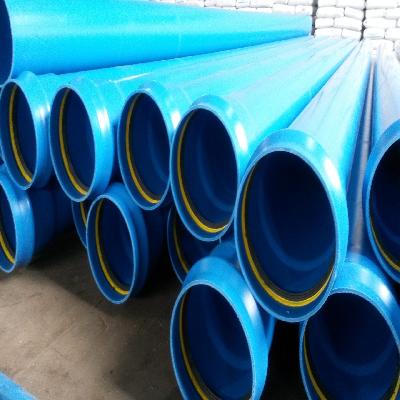
UPVC pressure pipes are a type of piping system made from unplasticized polyvinyl chloride (PVC) materials, which is known for its excellent resistance to chemicals and abrasion.
Where To Use UPVC Pressure Pipes
UPVC pressure pipes are commonly used in building and construction projects for their durability, corrosion resistance, and ease of installation.
Key Features Of UPVC Pressure Pipes
Excellent chemical and abrasion resistance
Durable and long-lasting
Easy to install and connect
Corrosion resistant
Wide range of diameters available
How To Use UPVC Pressure Pipes
Measure the length and diameter of the pipe required for the project
Cut the pipe to the required length using a saw or pipe cutter
Clean the ends of the pipe before connecting them
Use suitable connectors and adapters to connect the pipe to other fittings
Ensure all connections are tight and secure
How UPVC Pressure Pipes Is Manufactured
UPVC pressure pipes are manufactured through a process of extrusion, where PVC resin is heated and formed into a pipe shape using a mold.
Technical Specification Of UPVC Pressure Pipes
Pressure Rating:
16 bar
Diameter:
20-100 mm
Wall Thickness:
2.5-10 mm
Length:
1000-4000 mm
The technical specifications of UPVC pressure pipes are designed to meet the demands of various industrial applications, with a focus on durability and resistance to chemicals and abrasion.
Description Of UPVC Pressure Pipes
UPVC pressure pipes are a type of piping system designed for high-pressure applications, with excellent resistance to chemicals and abrasion.
Related Products & Synonyms Of UPVC Pressure Pipes
The related products of UPVC pressure pipes include PVC fittings, PVC pipes, and PVC valves. The synonyms for UPVC pressure pipes are Unplasticized Polyvinyl Chloride Pressure Pipes.