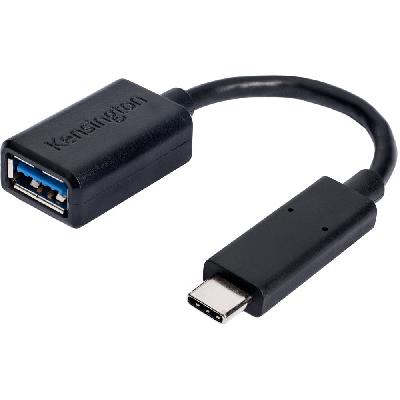
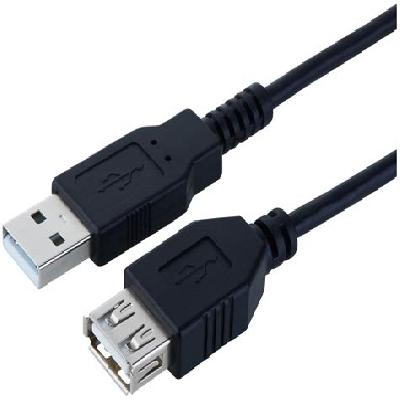
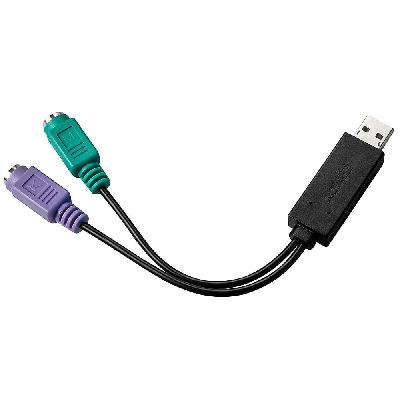
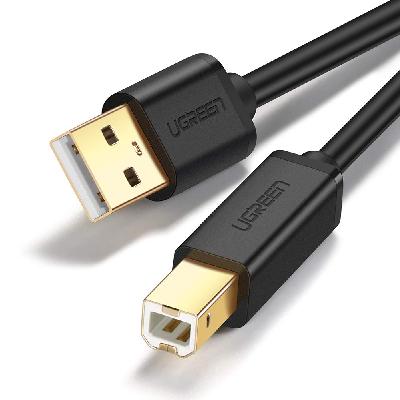
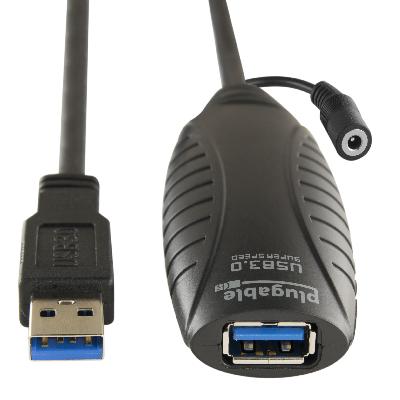
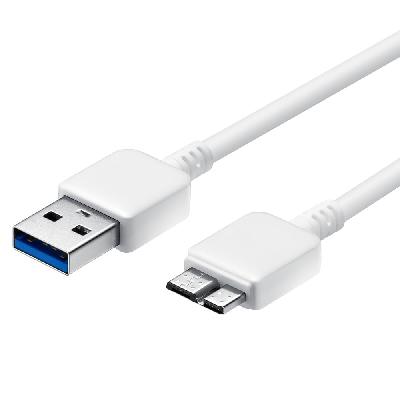
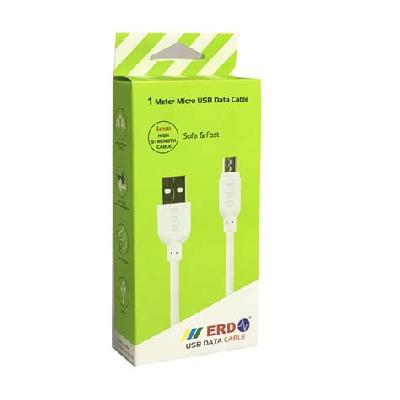
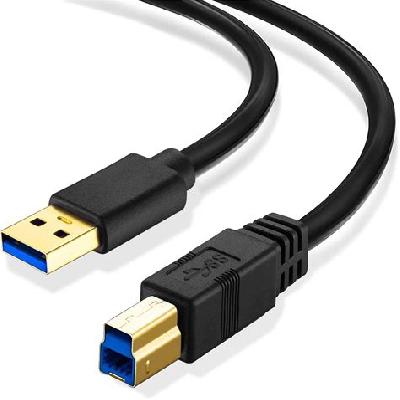
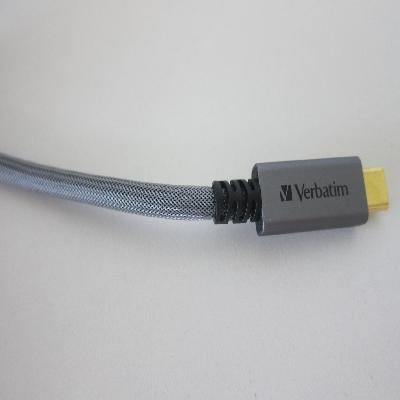
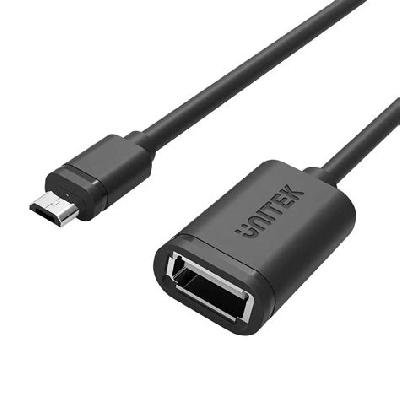
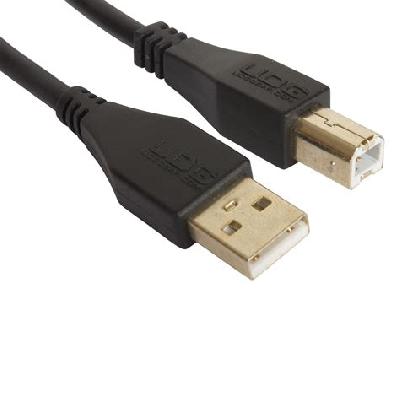
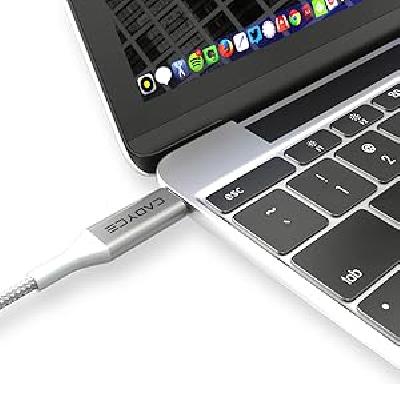
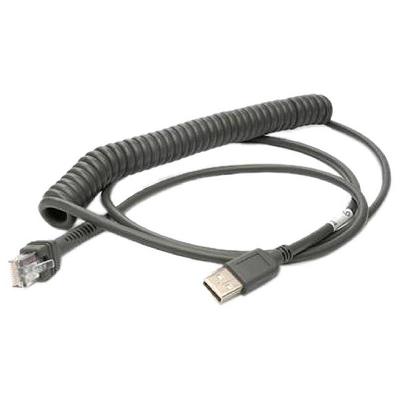
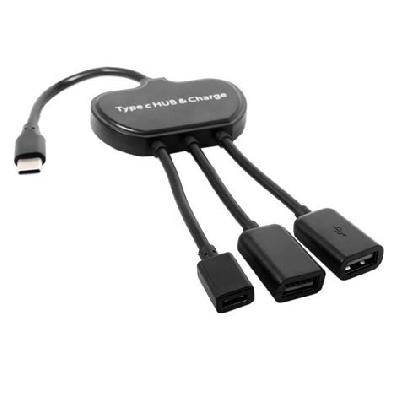
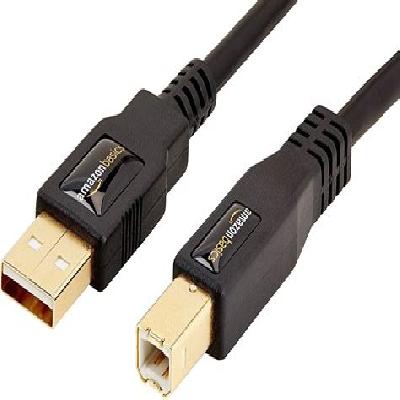
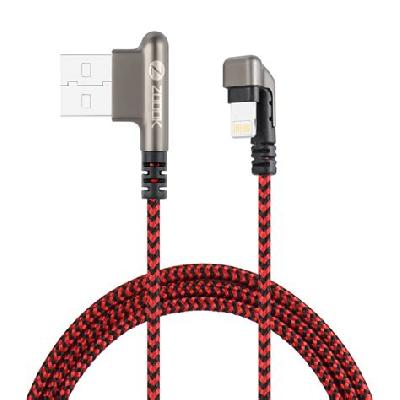
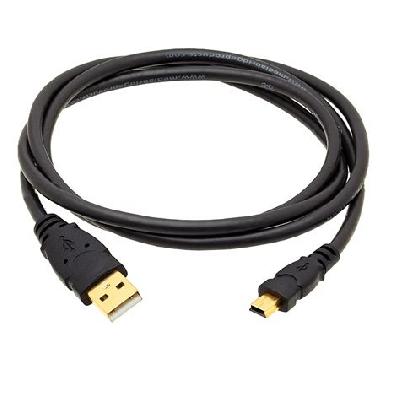
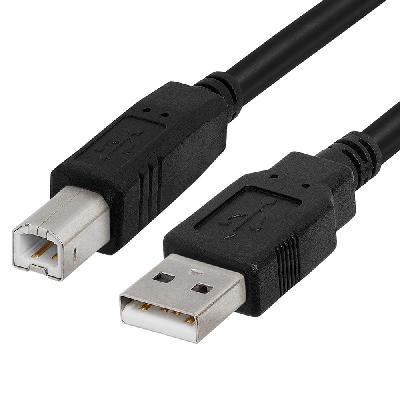
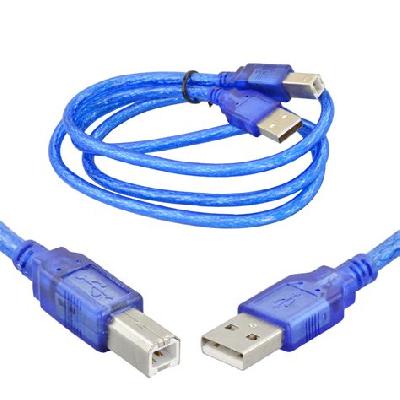
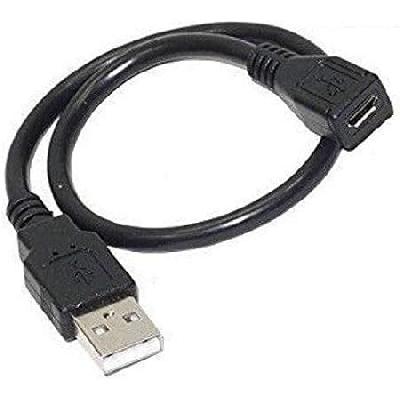
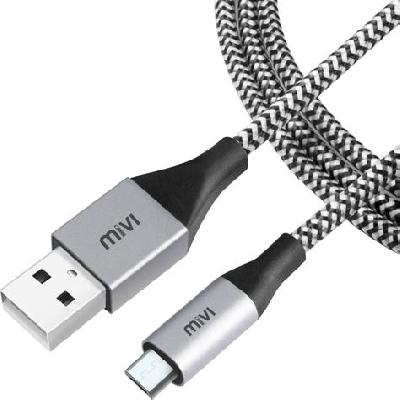
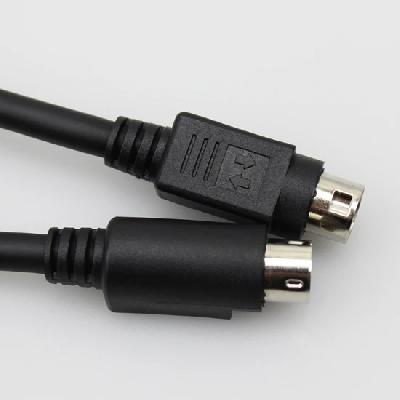
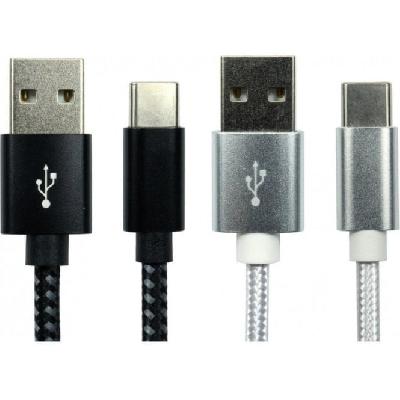
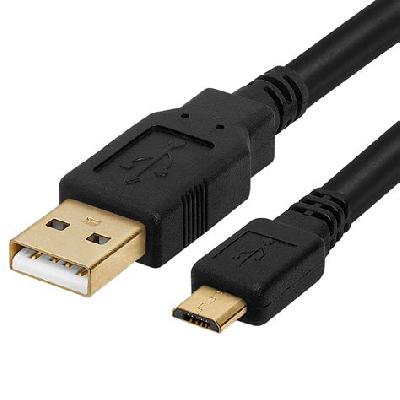
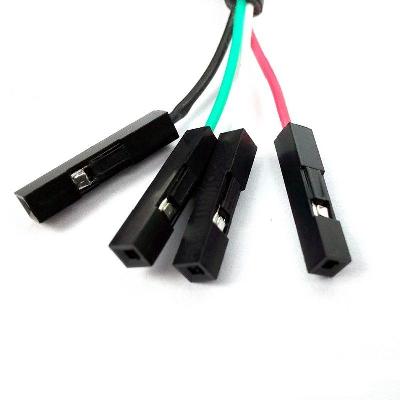
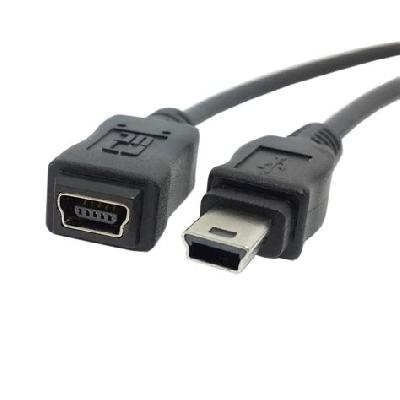
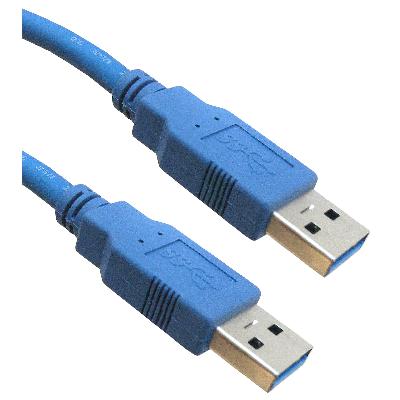
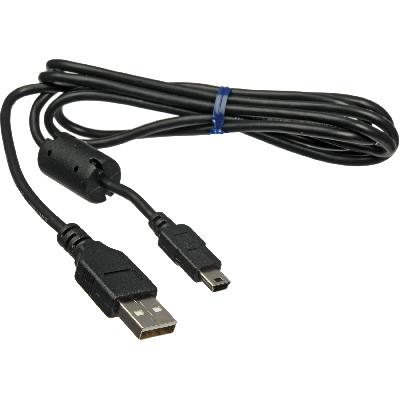
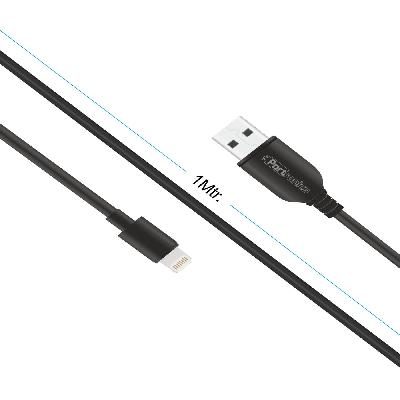
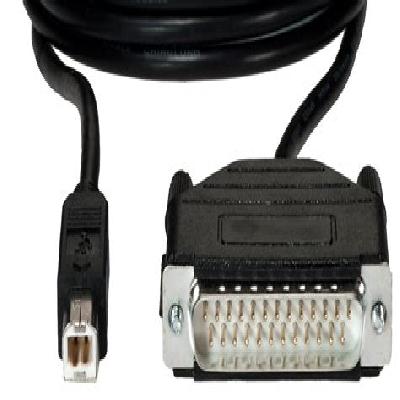
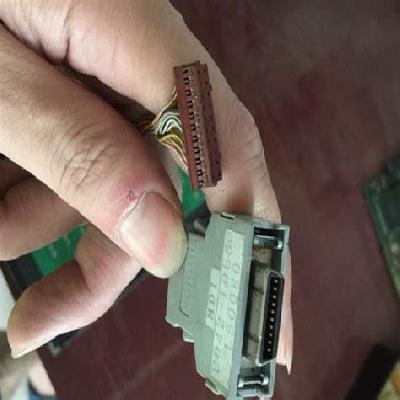
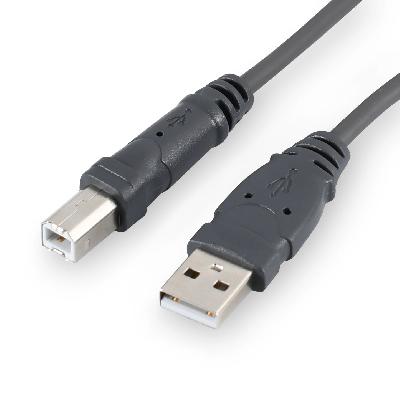
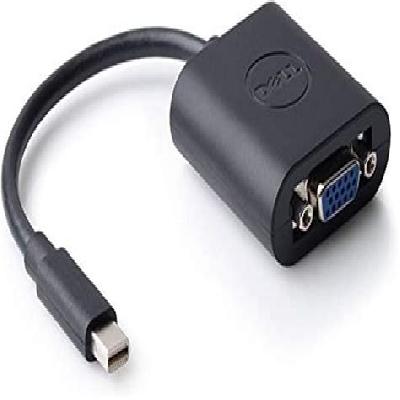
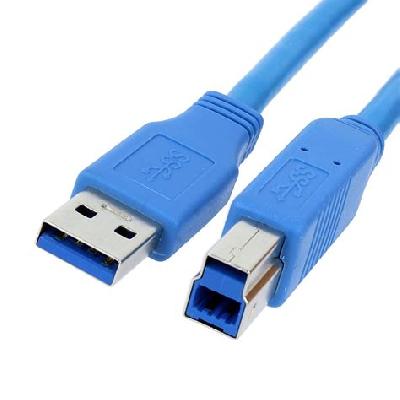
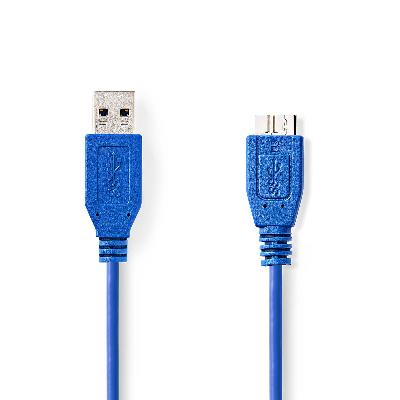
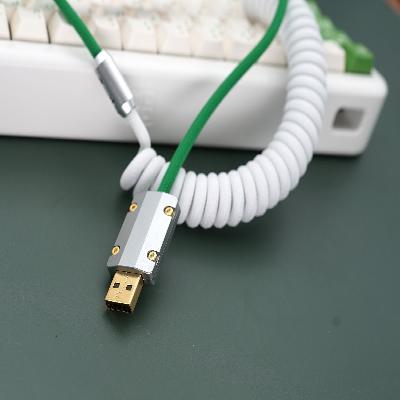
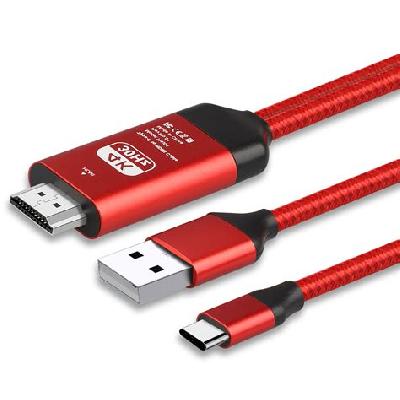
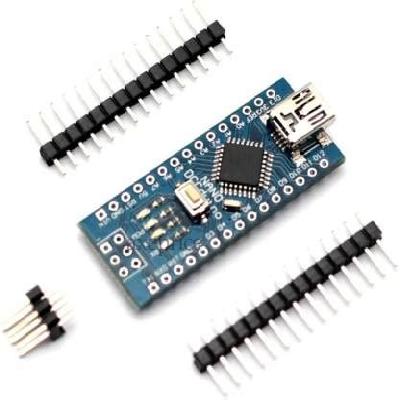
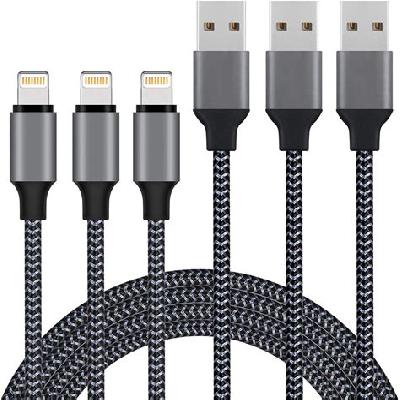
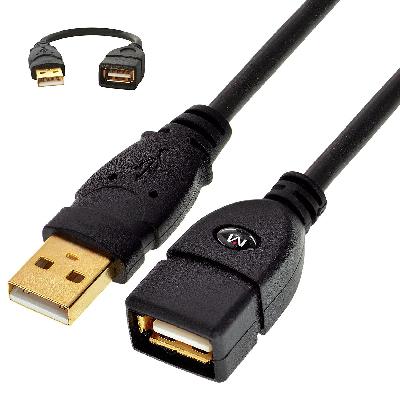
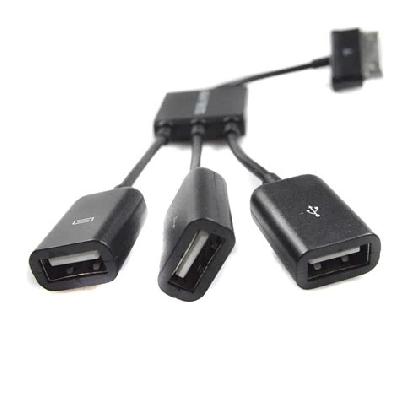
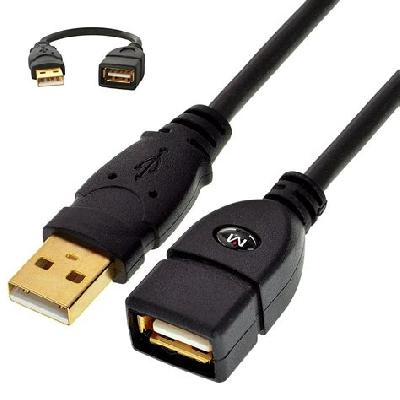
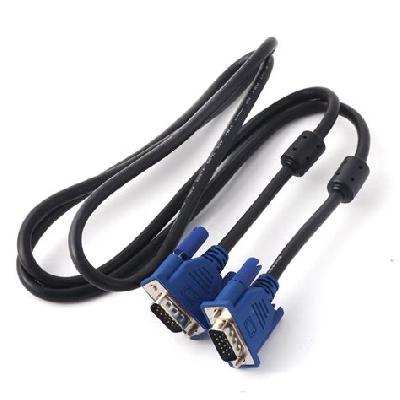
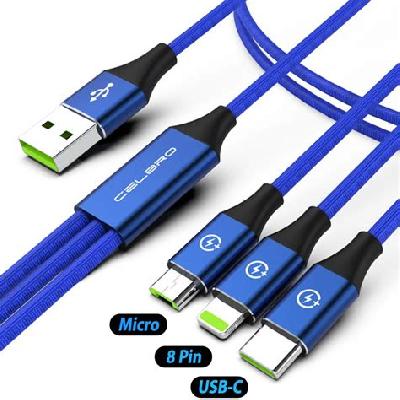
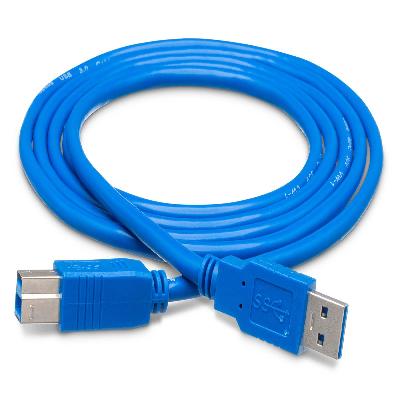
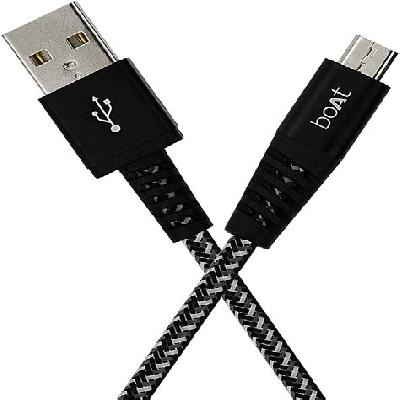
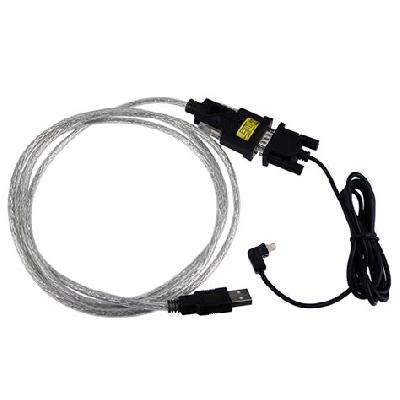
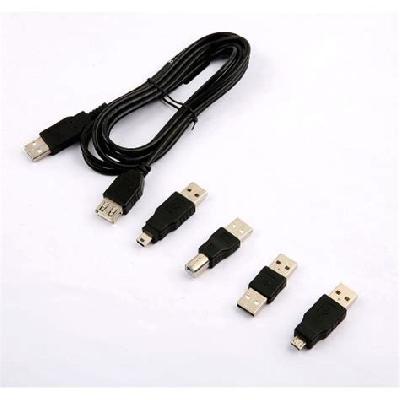
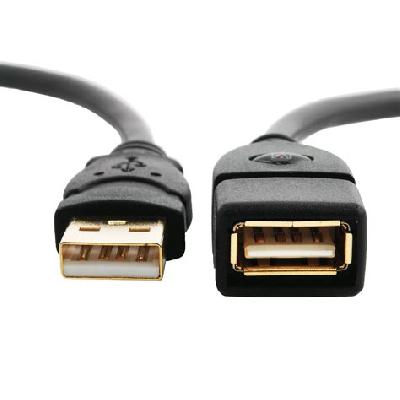
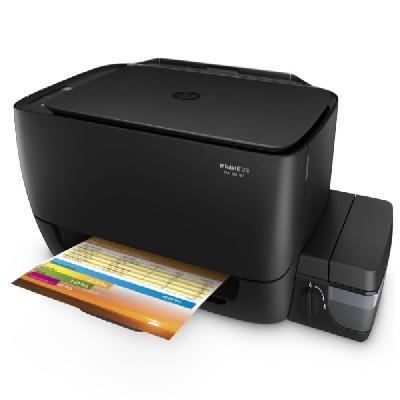
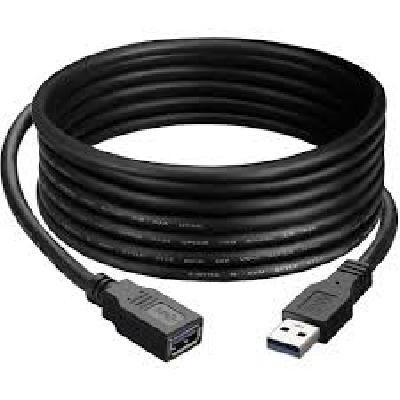
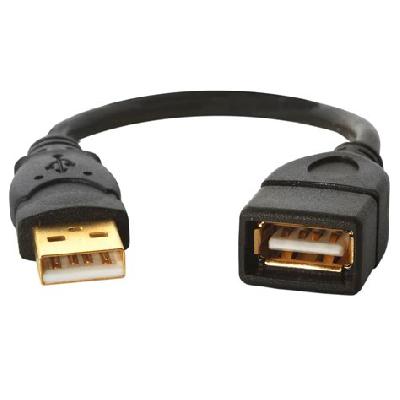
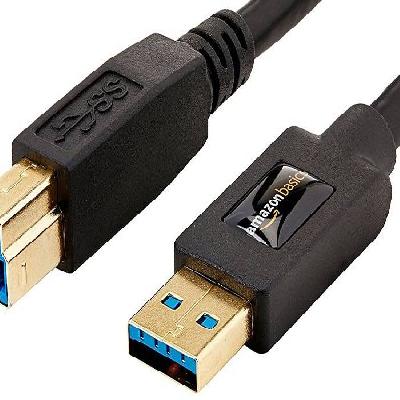
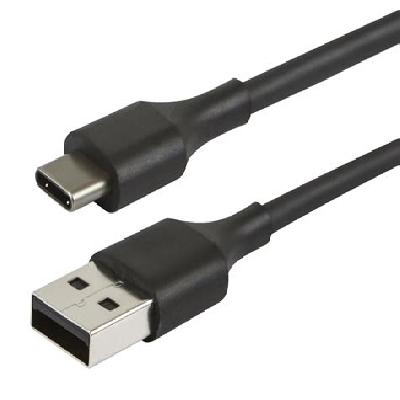
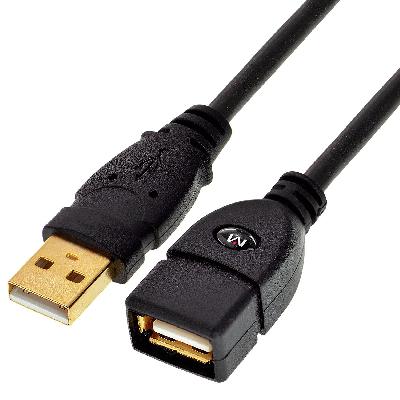
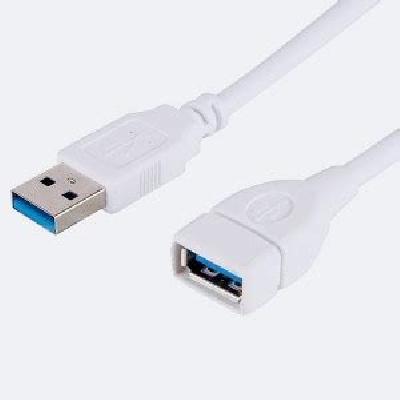
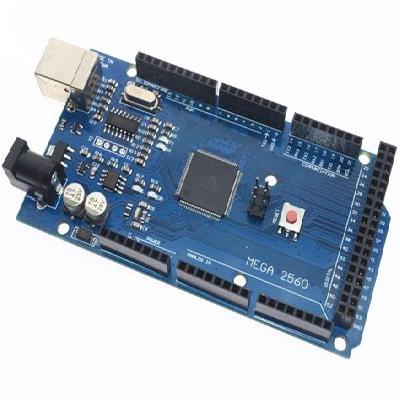
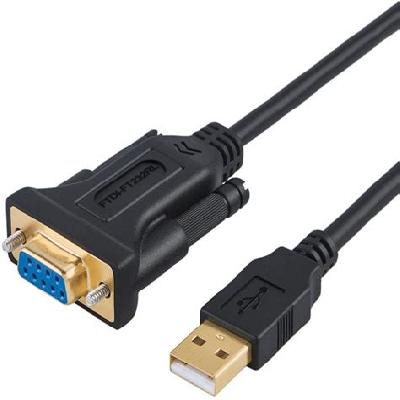
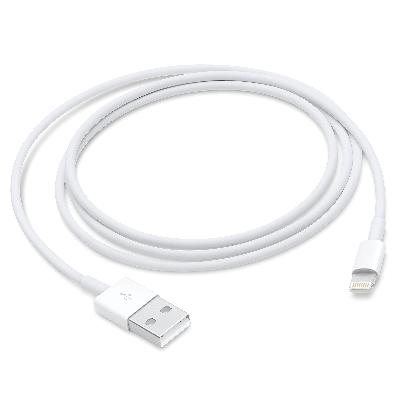
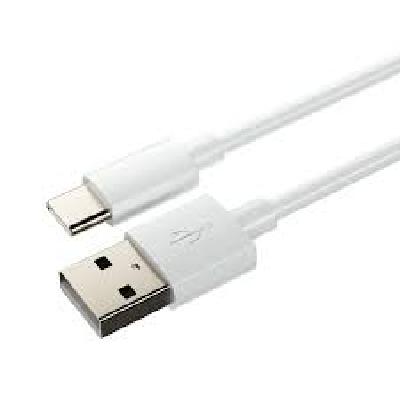
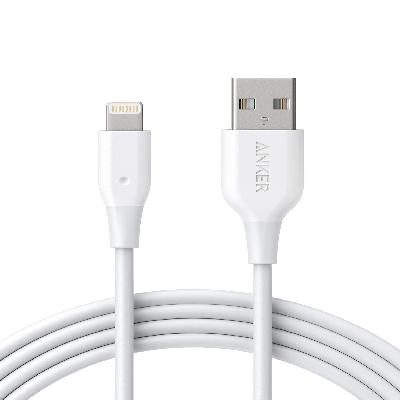
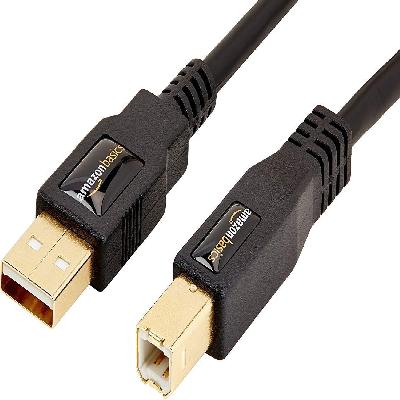
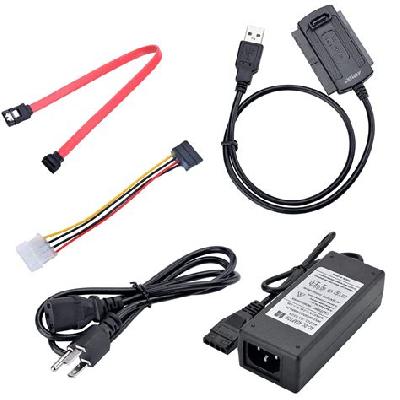
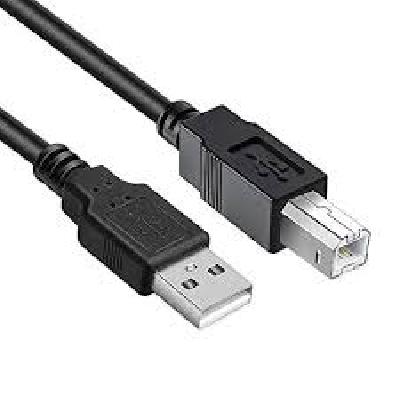
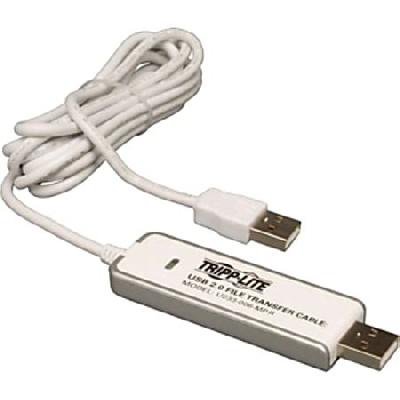
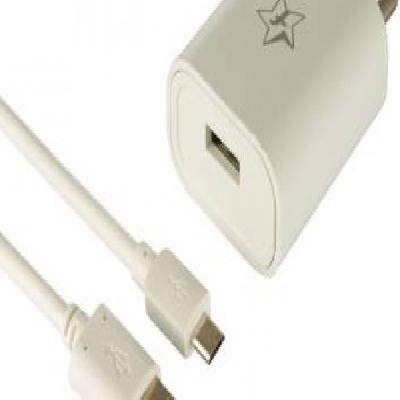
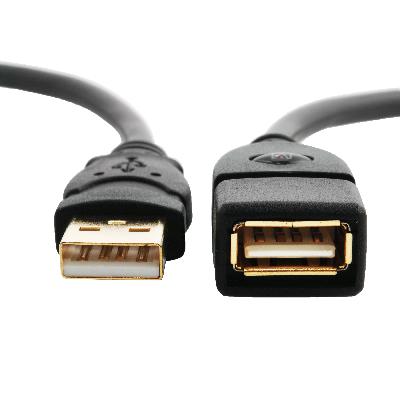
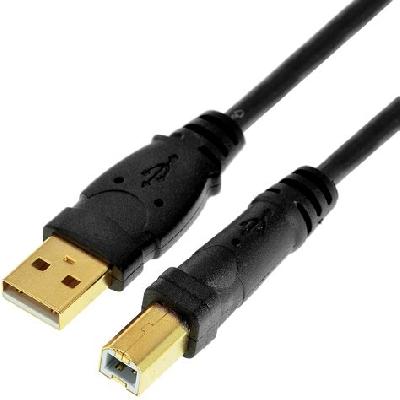
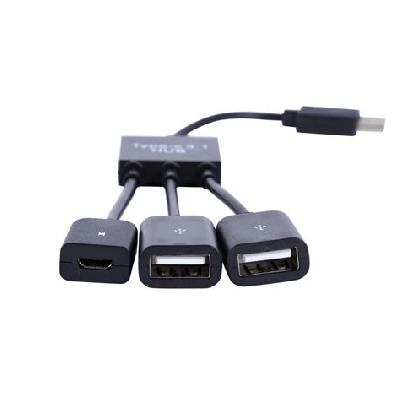
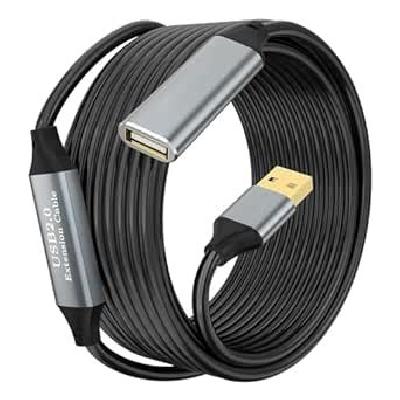
A USB cable, also known as a data cable or USB data cable, is a type of computer interface that allows for the transfer of data between devices. It is commonly used to connect electronic devices such as computers, smartphones, and tablets to peripherals like keyboards, mice, and flash drives.
Where To Use Usb Cable
USB cables can be used in a variety of settings, including:
Connecting devices to computers or laptops for data transfer
Powering devices such as smartphones and tablets
Connecting peripherals like keyboards and mice
Transferring files between devices
Key Features Of Usb Cable
Reversible design for easy plug-in
High-speed data transfer rates up to 480 Mbps
Durable construction with a long lifespan
Compliant with USB 2.0 and USB 3.0 standards
How To Use Usb Cable
Connect the USB cable to a free port on your computer or device
Plug in the other end of the cable into the device you want to connect
Ensure the cable is securely connected and not loose
Transfer data or power devices as needed
How Usb Cable Is Manufactured
The manufacturing process for USB cables involves several stages, including:
Material selection and sourcing of raw materials
Cable assembly and wire harnessing
Insulation and jacketing
Testing and quality control
Technical Specification Of Usb Cable
Length:
1.8m (5.9ft)
Data Transfer Rate:
480 Mbps (USB 2.0) / 5 Gbps (USB 3.0)
Connector Type:
USB-A / USB-B
Power Range:
0.5A (500mA)
Compatibility:
Windows, macOS, Linux, Android
The technical specification of the USB cable includes its length, data transfer rate, connector type, power range, and compatibility with various operating systems.
Description Of Usb Cable
A USB cable is a type of computer interface that allows for the transfer of data between devices.