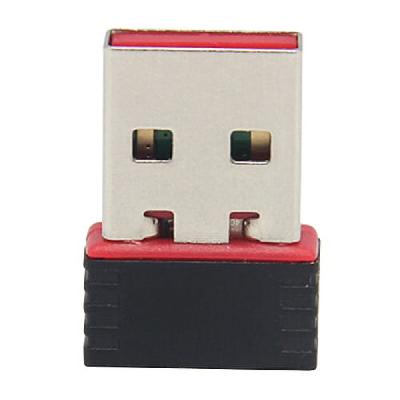
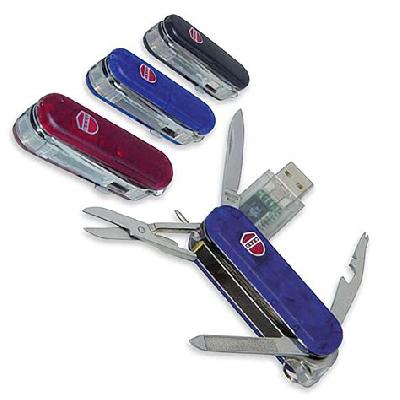
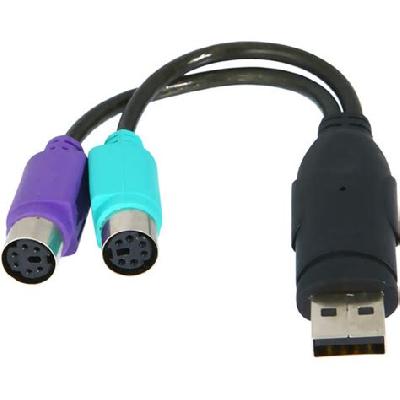
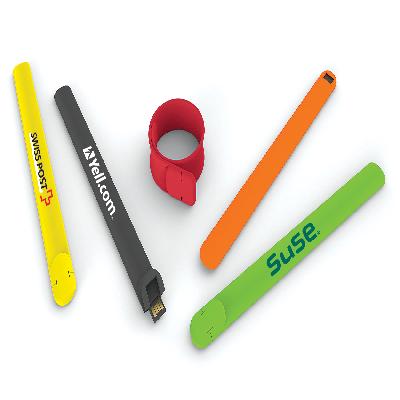
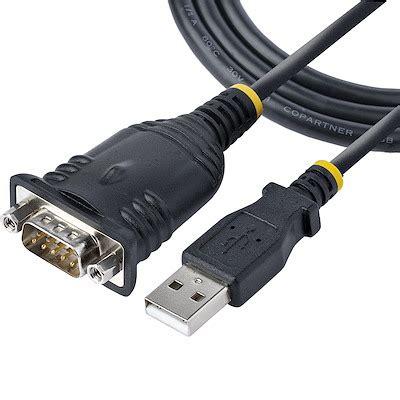
A USB card is a compact, portable device that enables data transfer between devices via the Universal Serial Bus (USB) interface.
Where To Use Usb Card
For data transfer in industrial settings, such as manufacturing or logistics.
In embedded systems, where a compact and reliable USB interface is required.
In applications where a high-speed data transfer rate is necessary.
Key Features Of Usb Card
Data Transfer Rate: Up to 5 Gbps (Gigabits per second).
Ports Count: Multiple USB ports for simultaneous data transfer.
Version: USB 3.2 Gen 1 compliant.
How To Use Usb Card
Connect the USB card to a host device via a USB port.
Configure the USB card settings according to the specific application requirements.
Initiate data transfer by sending commands to the USB card.
How Usb Card Is Manufactured
The manufacturing process of a USB card involves several stages:
Design and simulation.
PCB (Printed Circuit Board) fabrication.
Soldering components onto the PCB.
Assembly and testing.
Technical Specification Of Usb Card
Data Transfer Rate:
Up to 5 Gbps
Ports Count:
Multiple USB ports
Version:
USB 3.2 Gen 1 compliant
Weight:
Approximately 20 grams
The technical specifications of a USB card ensure reliable and efficient data transfer in various industrial applications. The device's high data transfer rate, multiple USB ports, and compliance with the latest USB version (USB 3.2 Gen 1) make it suitable for demanding tasks. Additionally, its compact design and lightweight construction facilitate easy integration into existing systems.
Description Of Usb Card
A USB card is a versatile and compact device designed for high-speed data transfer in industrial settings, embedded systems, and other applications where reliability and efficiency are crucial.
Related Products & Synonyms Of Usb Card
The USB card is related to other devices that provide high-speed data transfer, such as USB hubs and expansion cards. Some synonyms for the USB card include: