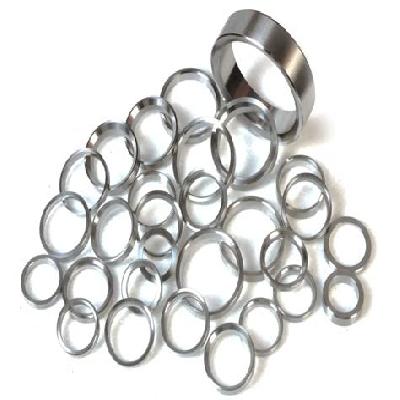
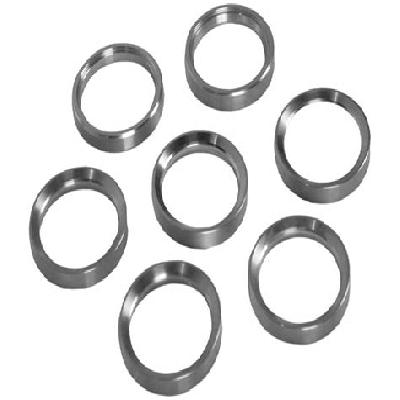
Valve seat inserts are components used in internal combustion engines to improve the performance and durability of valve seats.
Where To Use Valve Seat Inserts
Engine blocks
Cylinder heads
Valve train systems
Key Features Of Valve Seat Inserts
Improved durability and resistance to wear
Enhanced heat resistance for optimal performance
Compatibility with various engine materials
How To Use Valve Seat Inserts
Inspect the valve seat for wear and damage before installation
Clean and prepare the valve seat area for installation
Install the valve seat insert according to manufacturer instructions
How Valve Seat Inserts Is Manufactured
The manufacturing process for valve seat inserts typically involves a combination of machining and heat treatment to achieve the desired properties and performance.
Technical Specification Of Valve Seat Inserts
Material:
High-strength steel alloy
Hardness:
58-62 HRC
Application Engine:
Diesel and gasoline engines
Heat Resistance:
Up to 500°C (932°F)
The technical specification of valve seat inserts highlights their high-strength material, optimal hardness, and exceptional heat resistance, making them suitable for various engine applications.
Description Of Valve Seat Inserts
Valve seat inserts are precision-engineered components designed to improve the performance and durability of valve seats in internal combustion engines.
Related Products & Synonyms Of Valve Seat Inserts
The related products of valve seat inserts include piston rings, cylinder liners, and engine bearings. The synonyms for valve seat inserts are valve seats, engine valve seat, valve seating, integral seats, and main valve seat.