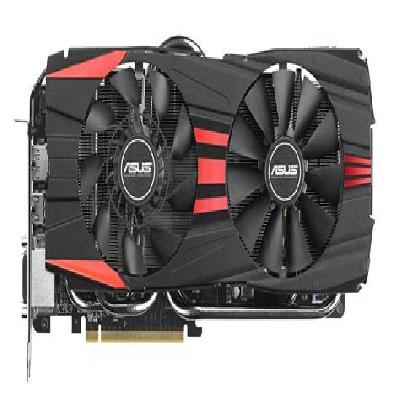
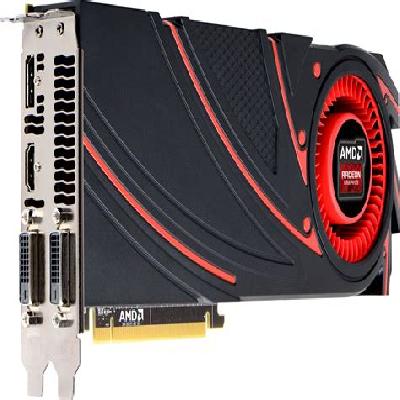
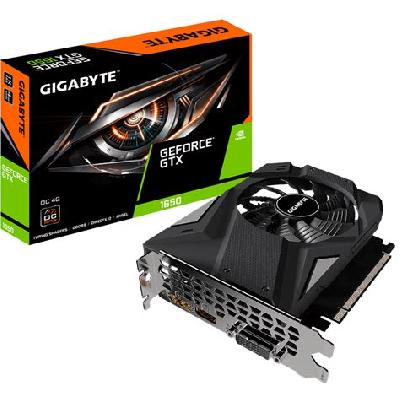
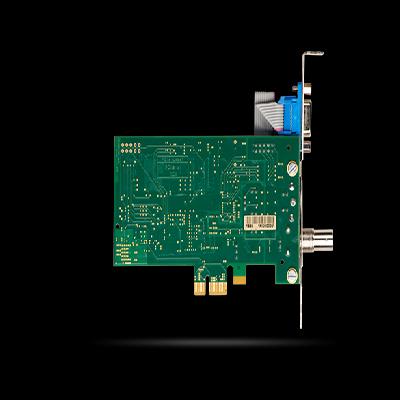
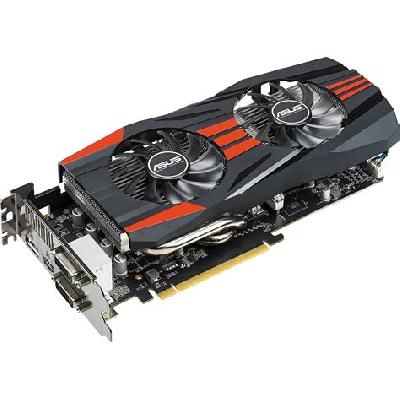
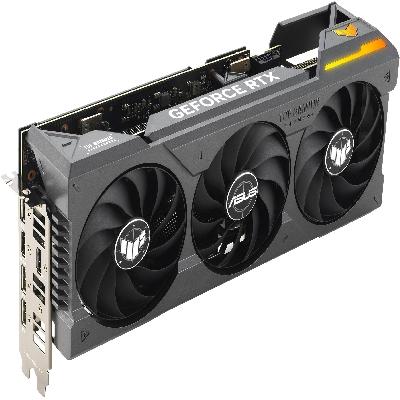
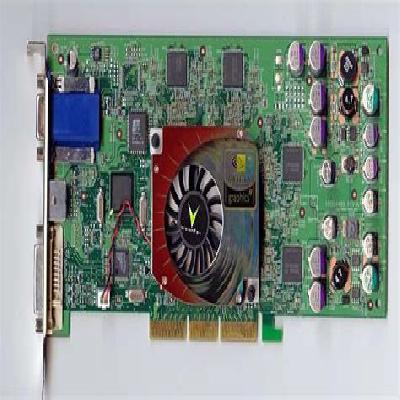
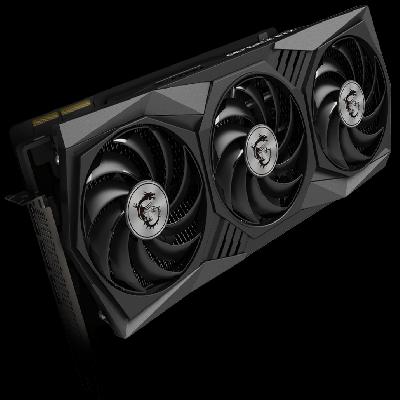
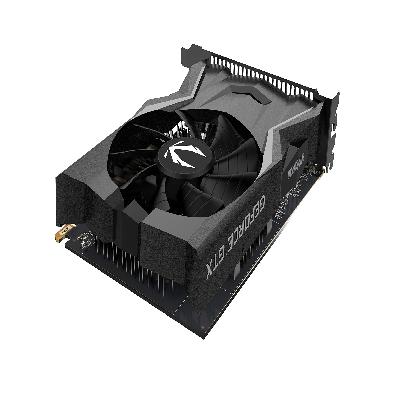
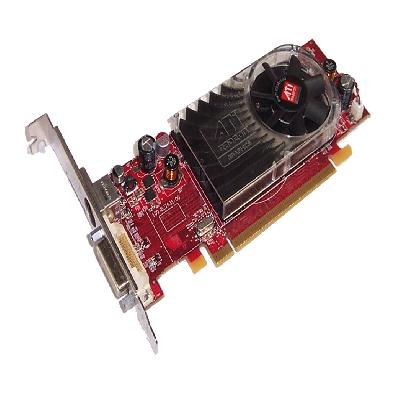
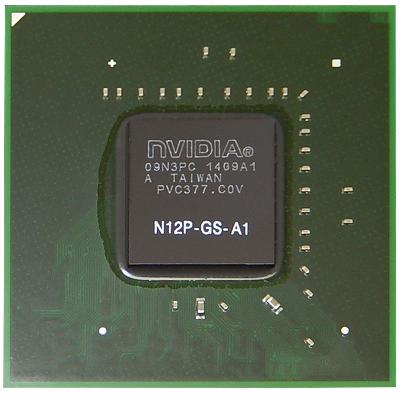
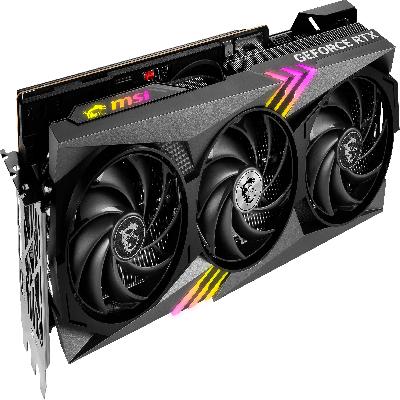
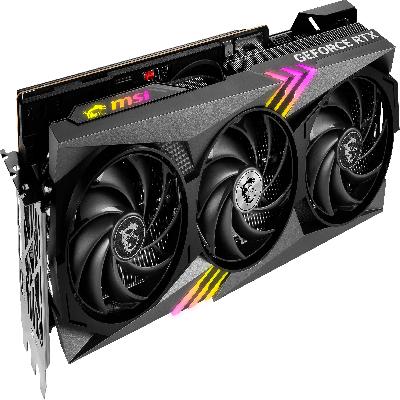
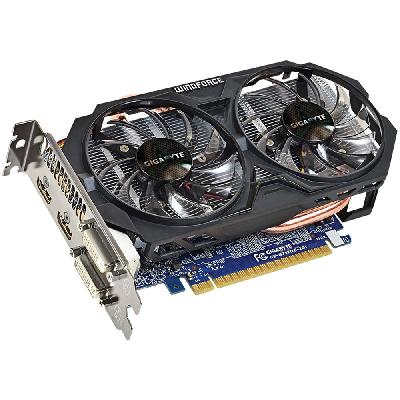
Video cards, also known as graphics cards or display cards, are hardware components responsible for rendering images and video on a computer screen. They handle the processing of graphical data from the system's central processing unit (CPU) and provide a pathway for high-quality video output.
Where To Use Video Cards
Video cards are essential for various computer applications, including gaming, video editing, and graphic design. They are commonly used in desktop computers but also found in some laptops and mobile devices to enhance their graphical capabilities.
Key Features Of Video Cards
Memory Bandwidth: Measures the amount of data transferred between the video card and system memory.
Power Consumption: Refers to the energy required by the video card to operate, typically measured in watts.
VRAM Capacity: Stands for Video Random Access Memory, which is dedicated memory on the graphics card for storing graphics-related data.
Core Clock: The speed at which the central processing unit (CPU) of the graphics card operates, measured in MHz or GHz.
How To Use Video Cards
Install the video card into an available PCIe slot on your motherboard.
Connect any required power cables to the card's power connectors.
Install necessary drivers from the manufacturer's website or installation CD/DVD.
Configure settings in the operating system and graphics software to optimize performance.
How Video Cards Is Manufactured
The manufacturing process of video cards involves several stages, including:
Design and Development: Engineers design the card's architecture, and specifications are determined.
Circuit Board Assembly: Electronic components such as memory, processor, and power management circuits are assembled onto a printed circuit board (PCB).
Component Soldering: Components are soldered to the PCB according to the design layout.
Testing and Quality Control: The card is tested for performance, power consumption, and durability before packaging.
Technical Specification Of Video Cards
Memory Bandwidth:
128-bit
Power Consumption:
150W
VRAM Capacity:
8GB GDDR6
Core Clock:
1.5GHz
The technical specification of video cards plays a crucial role in determining their performance and capabilities. Memory bandwidth, power consumption, VRAM capacity, and core clock are key factors that affect the overall rendering and processing efficiency of graphics data.