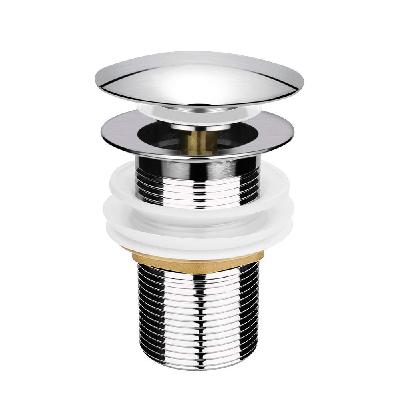
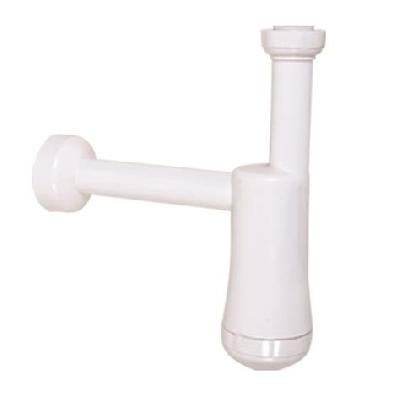
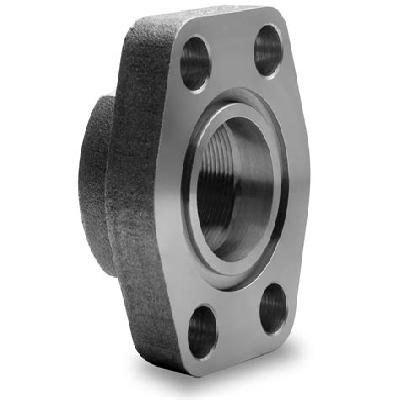
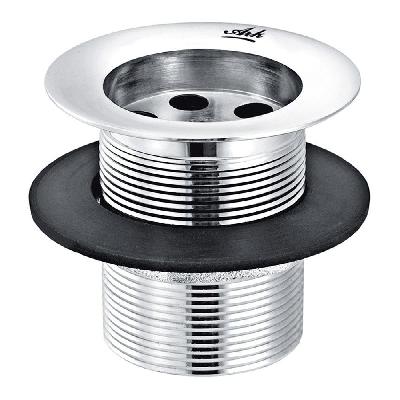
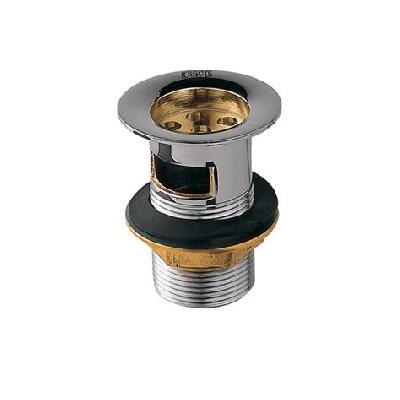
Waste couplings are devices used to connect and direct the flow of wastewater from sinks, basins, and other plumbing fixtures into drainage systems.
Where To Use Waste Couplings
Waste couplings are typically used in bathrooms, kitchens, and laundry rooms where sinks, basins, and other plumbing fixtures are installed.
They can also be used in commercial settings such as restaurants, hospitals, and office buildings.
Key Features Of Waste Couplings
Easy to install and replace
Durable and resistant to corrosion
Leak-proof design
Compliant with relevant plumbing codes and regulations
How To Use Waste Couplings
Locate the correct position for the waste coupling under the sink or basin.
Connect the P-trap to the waste pipe and secure with the retaining clip.
Ensure a watertight seal is achieved before testing the system.
How Waste Couplings Is Manufactured
Waste couplings are typically manufactured from high-quality materials such as brass, copper, or PVC.
Technical Specification Of Waste Couplings
Material:
Brass
Size:
1-1/2"
Length:
12-18"
Color:
Chrome-plated brass
The technical specification of waste couplings is critical in ensuring that they function correctly and efficiently in plumbing systems. The material, size, length, and color of the waste coupling must be carefully selected to meet the specific requirements of the application.
Description Of Waste Couplings
Waste couplings are designed to provide a secure and leak-proof connection between the sink or basin and the drainage system.