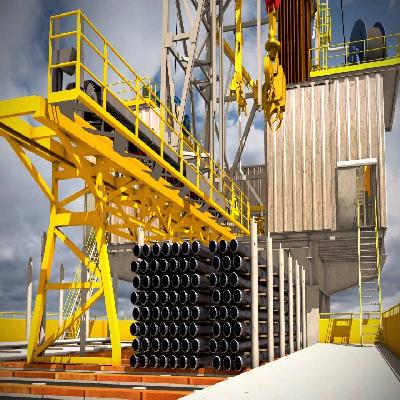
Well casings are a type of industrial piping component used in various applications, particularly in the oil and gas industry. They are long, cylindrical pipes made from durable materials such as steel or fiberglass, designed to withstand high pressures and temperatures.
Where To Use Well Casings
Well casings are commonly used in drilling operations for oil and gas wells, as well as in water wells and geothermal applications. They serve as a protective casing for the well bore, preventing collapse and corrosion.
Key Features Of Well Casings
Long, cylindrical shape for easy installation
Made from durable materials for high pressure and temperature resistance
Available in various diameters to suit specific well bore requirements
Can be coated or lined with materials to enhance corrosion resistance
How To Use Well Casings
Install well casing in accordance with manufacturer's instructions and industry standards
Ensure proper sealing at the top and bottom of the casing to prevent leakage
Monitor well bore conditions regularly for signs of corrosion or damage
Maintain regular cleaning and maintenance schedules to prolong casing lifespan
How Well Casings Is Manufactured
Well casings are manufactured using a combination of advanced materials and precision engineering techniques. The manufacturing process typically involves:
Technical Specification Of Well Casings
Material:
Steel or fiberglass
Diameter:
From 2-1/2 inches to 36 inches
Length:
Variable, depending on application and well bore requirements
Thickness:
From 0.5 inches to 2.5 inches, depending on application and well bore requirements
Weight:
Variable, depending on material and size of the casing
The technical specifications for well casings are critical to ensuring proper installation, operation, and maintenance. The chosen materials, diameter, length, thickness, and weight must be carefully selected based on the specific application and well bore requirements.
Description Of Well Casings
Well casings are designed to provide a protective casing for the well bore, preventing collapse and corrosion. They are made from durable materials such as steel or fiberglass, and come in various diameters to suit specific well bore requirements.