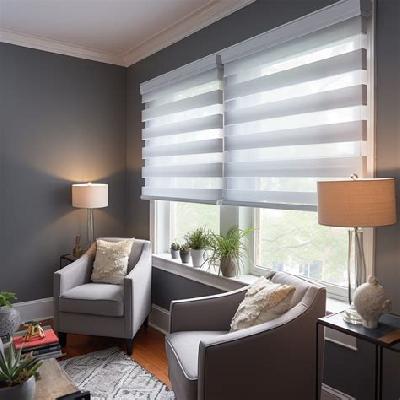
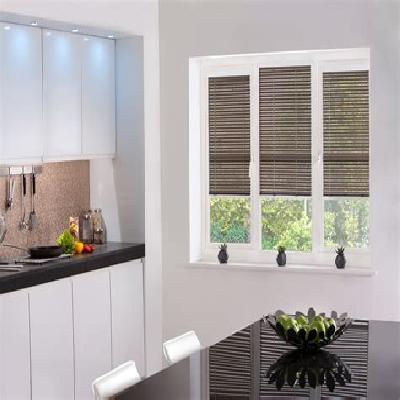
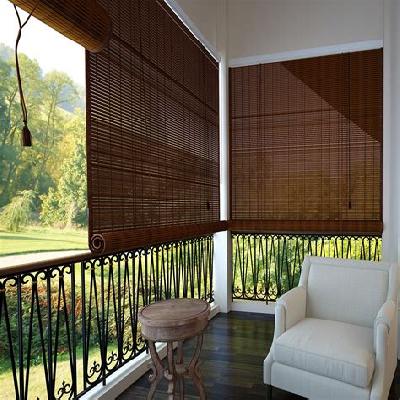
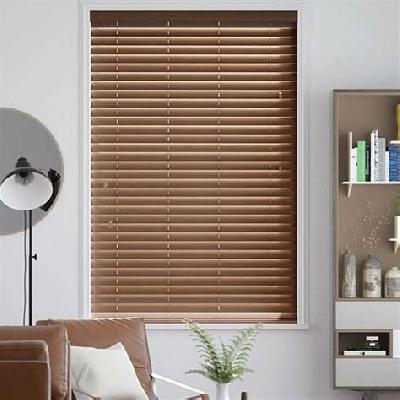
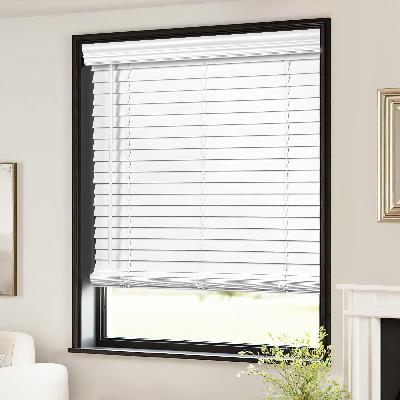
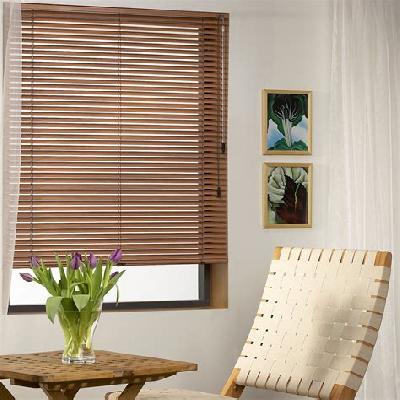
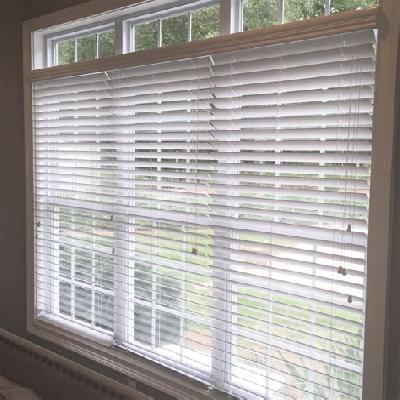
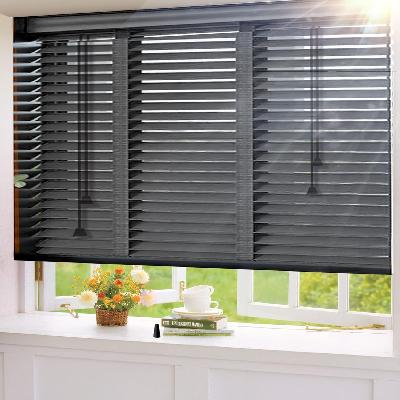
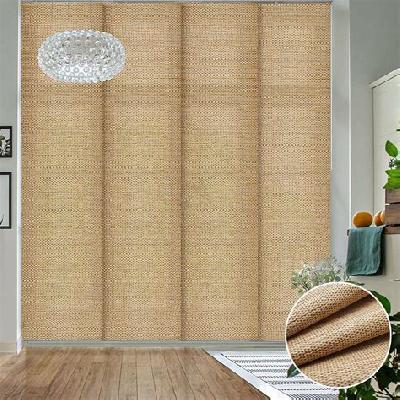
Window blinds are a type of window treatment used to control light, provide privacy, and block out external noise.
Where To Use Window Blinds
Bedrooms for added privacy and light control
Living rooms to block out external noise
Kitchens to reduce heat and glare from windows
Key Features Of Window Blinds
Adjustable slats for customized light control
Durable materials for long-lasting performance
Easy installation and maintenance
Variety of styles and designs to suit different décor
How To Use Window Blinds
Open and close the blinds to control light and airflow
Adjust the slats to customize light levels and patterns
Clean the blinds regularly to maintain their appearance
Replace worn-out or damaged parts for optimal performance
How Window Blinds Is Manufactured
The manufacturing process of window blinds involves several stages, including material selection, cutting and processing, assembly, and quality control.
Technical Specification Of Window Blinds
Slat Width:
50-150mm
Mounting Type:
Sliding, Hinged, or Wall-Mounted
Operation Type:
Manual, Motorized, or Chain-Driven
Size:
Customizable to fit various window sizes
Light Control:
Adjustable slats for customized light control
The technical specifications of window blinds are designed to provide optimal performance, durability, and ease of use. The slat width, mounting type, operation type, size, and light control features work together to create a versatile and efficient window treatment solution.
Description Of Window Blinds
Window blinds are a type of window treatment designed to control light, provide privacy, and block out external noise. They consist of adjustable slats made from durable materials, which can be customized to fit various window sizes and styles.
Related Products & Synonyms Of Window Blinds
Window blinds are related to other window treatments such as curtains, drapes, and shades. Some synonyms for window blinds include: