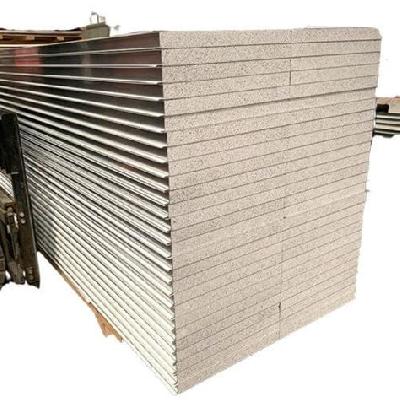
EPS panel, also known as expanded polystyrene (EPS) sandwich panel, is a type of insulation material used in the construction industry.
Where To Use Eps Panel
EPS panels are commonly used in building construction, especially for exterior walls and roofs due to their insulation properties.
Key Features Of Eps Panel
High thermal insulation properties
Water-resistant and durable
Lightweight and easy to handle
Environmentally friendly material
How To Use Eps Panel
Ensure proper installation and fixing to the wall or roof structure
Seal all joints and edges to prevent air leaks and moisture ingress
Maintain a safe distance from heat sources and flames
Avoid exposure to direct sunlight and high temperatures
How Eps Panel Is Manufactured
EPS panels are manufactured through a process of extrusion and expansion of polystyrene beads, which are then molded into the desired shape and size.
Technical Specification Of Eps Panel
Thickness (mm)
50-200
Density (kg/m³)
10-40
Size (m)
1.2x2.4, 1.5x3.0
Material
Expanded Polystyrene (EPS)
The technical specification of EPS panels are designed to meet the requirements of various building codes and regulations. The thickness, density, size, and material of EPS panels can be customized according to specific project needs.
Description Of Eps Panel
EPS panels are a type of insulation material used in building construction to reduce heat transfer and energy loss.
Related Products & Synonyms Of Eps Panel
Some related products of EPS panels include foam boards, rigid board insulation, and reflective insulation. Synonyms of EPS panels include EPS sandwich panel, 3D EPS panel.