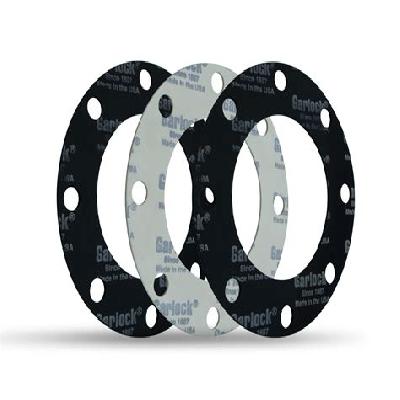
Neoprene gaskets are a type of rubber gasket made from neoprene, a synthetic rubber material known for its durability and resistance to chemicals.
Where To Use Neoprene Gaskets
Neoprene gaskets are commonly used in various industrial applications, including:
Automotive industry
Machinery manufacturing
Piping and plumbing systems
Chemical processing plants
Key Features Of Neoprene Gaskets
High temperature resistance up to 150°C
Good chemical resistance, including oils and fuels
Durable and long-lasting
Easy to install and remove
Resistant to compression set
How To Use Neoprene Gaskets
Select the correct size and type of neoprene gasket for your application
Clean the surface where the gasket will be installed
Apply a thin layer of lubricant to the gasket if necessary
Install the gasket according to the manufacturer's instructions
How Neoprene Gaskets Is Manufactured
Neoprene gaskets are manufactured through a process of mixing, extruding, and vulcanizing the neoprene material.
Technical Specification Of Neoprene Gaskets
Temperature Range:
-20°C to +150°C
Thickness:
1.5mm to 10mm
Tensile Strength:
15MPa to 30MPa
Color:
Black, Blue, Green, Red
Pressure Rating:
Up to 10bar
Shelf Life:
Up to 5 years
The technical specifications of neoprene gaskets are designed to provide a high level of performance and durability in various industrial applications. The temperature range, thickness, tensile strength, color, pressure rating, and shelf life of the gasket are all critical factors that must be considered when selecting a suitable product for a particular application.
Description Of Neoprene Gaskets
Neoprene gaskets are a type of rubber gasket that is made from neoprene, a synthetic rubber material known for its durability and resistance to chemicals.
Related Products & Synonyms Of Neoprene Gaskets
Some related products to neoprene gaskets include: