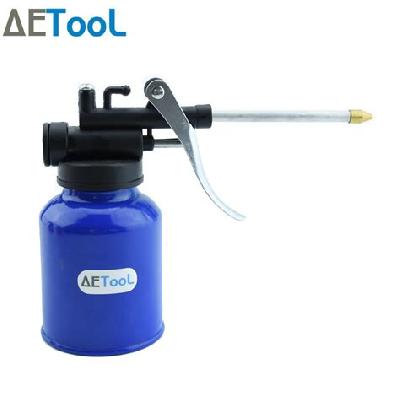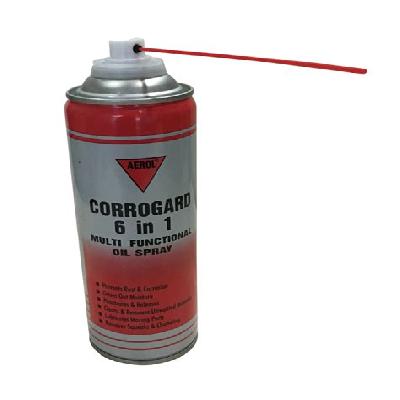
Oil spray is a type of lubricant used to protect and preserve metal surfaces from corrosion and wear.
Where To Use Oil Spray
Automotive engines and gearboxes
Machinery and equipment subject to high friction and wear
High-speed applications where lubrication is critical
Cold-weather operations where corrosion protection is necessary
Key Features Of Oil Spray
High-performance lubrication for extreme temperatures and pressures
Corrosion protection for up to 12 months
Easy application with spray nozzle or brush
Dries quickly, non-stick surface
How To Use Oil Spray
Shake can well before use
Spray or brush onto clean, dry surface in a thin, even layer
Allow to dry completely before exposing to water or moisture
Reapply as needed, but not more frequently than specified by manufacturer
How Oil Spray Is Manufactured
Oil spray is manufactured through a multi-step process involving mixing, blending, and formulation of base oils and additives, followed by filling, labeling, and packaging.
Technical Specification Of Oil Spray
Viscosity:
15-25 cSt at 40°C
Flash Point:
180°C min
Operating Temperature Range:
-20 to +100°C
Density:
0.85 g/cm³ at 15°C
The technical specification of oil spray is designed to ensure optimal performance and longevity in a variety of applications. The viscosity range allows for effective lubrication at both low and high temperatures, while the flash point ensures safe handling and storage. The operating temperature range accommodates extreme conditions, and the density provides accurate filling and weight measurements.
Description Of Oil Spray
Oil spray is a clear, colorless liquid with a mild odor and non-stick surface. It is designed to provide long-lasting lubrication and corrosion protection for metal surfaces in various applications.
Related Products & Synonyms Of Oil Spray
Related products include oil-based lubricants, grease, and silicone sprays. Synonyms for oil spray include motor oil spray, engine spray, and corrosion inhibitor.