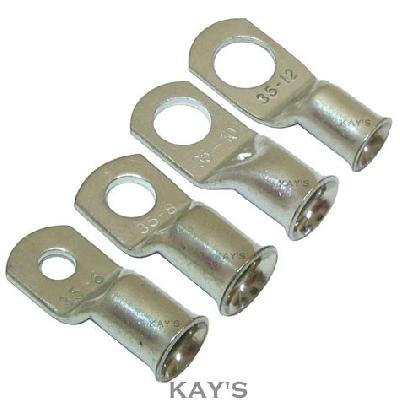
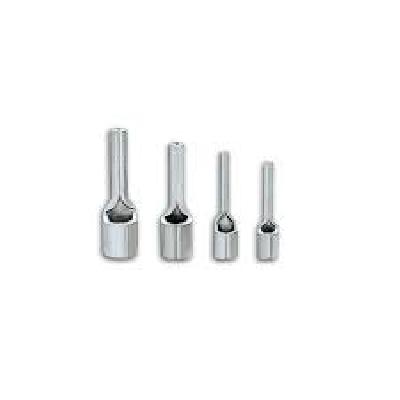
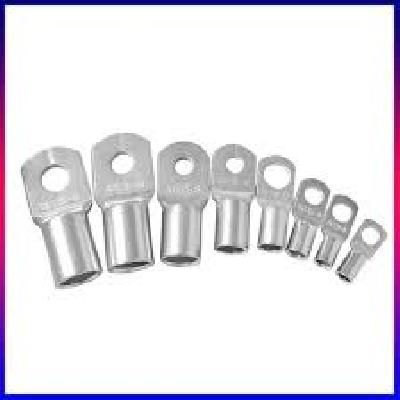
Copper terminal is a type of electrical connector used to join two or more copper wires together. It consists of a cylindrical body made of copper, with a hole at one end for inserting the wire and a screw thread on the other end for tightening.
Where To Use Copper Terminal
Copper terminal is used in electrical connections where a high level of conductivity is required, such as in motors, generators, and transformers.
It is also used in wiring harnesses and cable assemblies, particularly in applications where flexibility and reliability are critical.
Key Features Of Copper Terminal
High electrical conductivity, ensuring efficient energy transfer.
Durable construction, resistant to corrosion and wear.
Easy to install and connect, with a secure screw thread.
How To Use Copper Terminal
Insert the wire into the hole at one end of the copper terminal.
Tighten the screw thread to secure the connection.
Verify the connection is secure and the wires are properly aligned.
How Copper Terminal Is Manufactured
Copper terminals are manufactured through a process of drawing, cutting, and forming copper wire into the desired shape. The terminal is then polished and treated with a protective coating to prevent corrosion.
Technical Specification Of Copper Terminal
Cable Size:
AWG 14-30
Material:
Copper (Oxygen-Free)
Hole Diameter:
3.5mm
Temperature Rating:
-40°C to +120°C
The technical specification of copper terminal is designed to provide a high level of electrical conductivity, durability, and reliability in various applications. The cable size range allows for flexibility in wire selection, while the material ensures resistance to corrosion and wear. The hole diameter provides easy wire insertion, and the temperature rating ensures safe operation in extreme environments.
Description Of Copper Terminal
Copper terminal is a versatile electrical connector designed for various applications, including motors, generators, and transformers. Its high conductivity and durable construction make it an ideal choice for reliable connections.