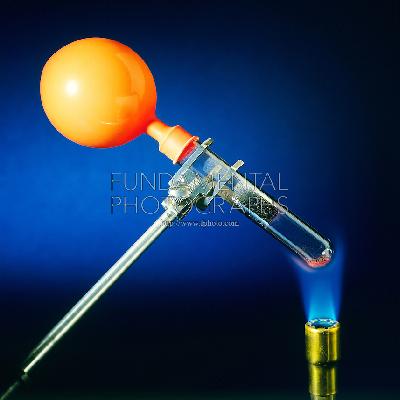
Liquid mercury is a chemical element with the symbol Hg and atomic number 80. It is a heavy, silvery-white metal that is liquid at room temperature. Mercury is a highly toxic substance that can be hazardous to human health if not handled properly.
Where To Use Liquid Mercury
Liquid mercury is used in various industrial applications, including thermometers, barometers, and fluorescent lighting. It is also used in dental amalgams and some medical equipment.
Key Features Of Liquid Mercury
Highly toxic and hazardous to human health if not handled properly
Liquid at room temperature
Heavy, silvery-white metal
Used in various industrial applications
How To Use Liquid Mercury
Use protective equipment, such as gloves and goggles, when handling liquid mercury
Ensure proper ventilation in the work area to prevent inhalation of mercury vapor
Handle liquid mercury with care to avoid spills or accidents
How Liquid Mercury Is Manufactured
The production of liquid mercury involves the extraction and processing of cinnabar, a mercury sulfide ore. The cinnabar is crushed and heated to produce mercury vapor, which is then condensed and collected as liquid mercury.
Technical Specification Of Liquid Mercury
Molecular Weight:
200.59 g/mol
Purity:
99.9%
Density:
13.546 g/cm³
Solubility in Water:
0.02 g/100mL
The technical specifications of liquid mercury are critical in ensuring the quality and safety of the product. The molecular weight, purity, density, and solubility in water are all important factors to consider when handling and using liquid mercury.
Description Of Liquid Mercury
Liquid mercury is a chemical element that is liquid at room temperature. It has a high boiling point and is highly toxic if ingested or inhaled.