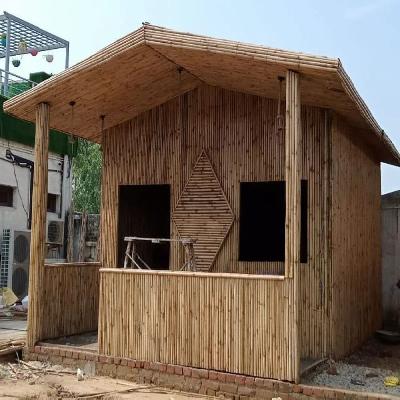
Bamboo flooring is a type of flooring made from bamboo, a highly renewable and sustainable material. It is known for its durability, moisture resistance, and eco-friendliness.
Where To Use Bamboo Flooring
Bamboo flooring is suitable for high-traffic areas, kitchens, and bathrooms due to its moisture resistance and durability. It can also be used in bedrooms and living rooms.
Key Features Of Bamboo Flooring
Bamboo flooring is eco-friendly and sustainable.
It is durable and resistant to scratches and dents.
Bamboo flooring is moisture-resistant, making it ideal for kitchens and bathrooms.
How To Use Bamboo Flooring
Clean the bamboo flooring regularly with a soft brush and a mild detergent.
Apply a finish or sealant to protect the bamboo flooring from scratches and spills.
Maintain a consistent humidity level in the room to prevent damage to the bamboo flooring.
How Bamboo Flooring Is Manufactured
Bamboo flooring is manufactured through a process of cutting, boiling, and drying the bamboo to make it stable and resistant to warping.
Technical Specification Of Bamboo Flooring
Size:
1200mm x 180mm
Thickness:
8mm, 10mm, 12mm
Density:
0.8g/cm3, 1.2g/cm3
Finish:
Matte, Semi-Gloss, High-Gloss
The technical specifications of bamboo flooring are designed to provide a durable and sustainable flooring solution for residential and commercial spaces. The size, thickness, density, and finish options allow for flexibility in design and installation.
Description Of Bamboo Flooring
Bamboo flooring is a natural, eco-friendly material that is perfect for homeowners and businesses looking to reduce their carbon footprint.
Related Products & Synonyms Of Bamboo Flooring
Bamboo flooring is related to other sustainable and eco-friendly products such as cork, wood, and MDF. The synonyms of bamboo flooring include bamboo wood flooring.