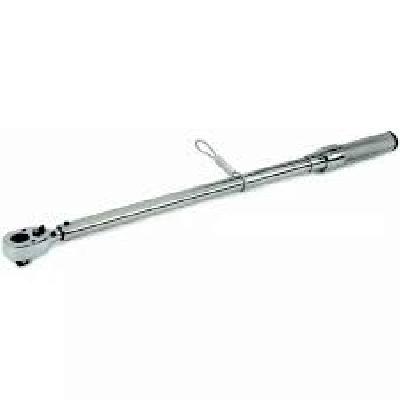
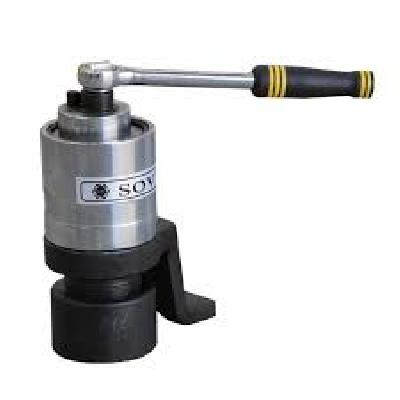
Torque analyzers are precision instruments designed to measure the rotational force or torque applied to a mechanical system. They play a crucial role in various industrial applications, including manufacturing, quality control, and research and development.
Where To Use Torque Analyzers
Torque analyzers are commonly used in various industries, including automotive, aerospace, industrial manufacturing, and research laboratories. They can be employed to measure torque in applications such as tightening or loosening bolts, measuring frictional forces, or testing the durability of mechanical components.
Key Features Of Torque Analyzers
High accuracy and precision measurements
Wide range of measurement capabilities, from low to high torque values
Durable and reliable construction for long-term use
Easy-to-use interface and intuitive operation
Fast data acquisition and processing
How To Use Torque Analyzers
Connect the torque analyzer to the mechanical system or component to be measured
Set the desired measurement range and sensitivity levels
Start the measurement process, ensuring stability and accuracy
Record and analyze the data obtained from the measurement
Compare the results with established standards and tolerances
How Torque Analyzers Is Manufactured
The manufacturing process of torque analyzers typically involves a combination of traditional craftsmanship and advanced technologies, including precision engineering, materials science, and quality control measures.
Technical Specification Of Torque Analyzers
Torque Range:
10 Nm - 1000 Nm
Display Type:
LCD display with backlight
Accuracy:
±0.1% of full scale range
Resolution:
0.1 Nm
Communication Interface:
USB, RS-232, and Ethernet
The technical specification of torque analyzers is designed to provide accurate and reliable measurements in various industrial applications. The specifications listed above are typical for a high-end torque analyzer, but may vary depending on the specific model and manufacturer.