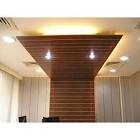
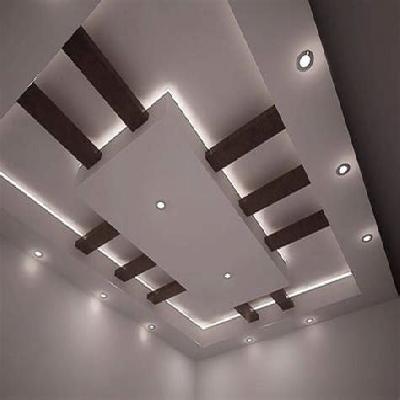
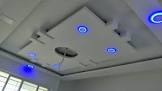
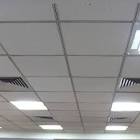
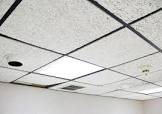
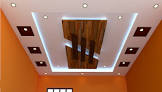
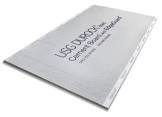
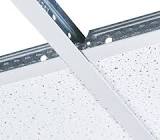
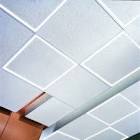
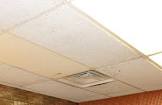
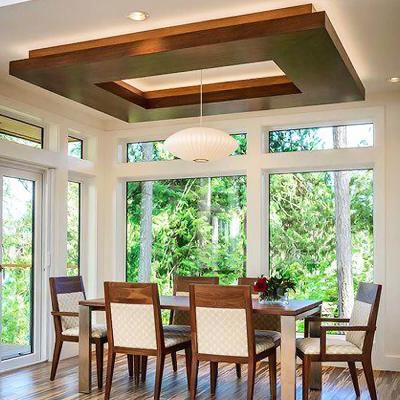
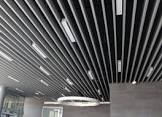
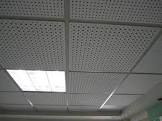
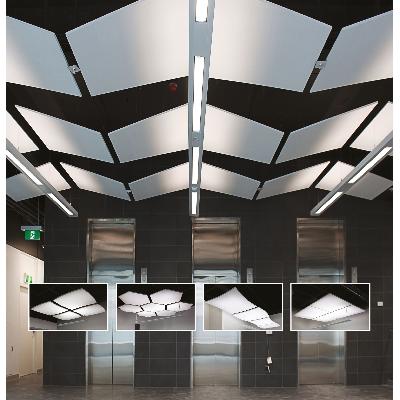
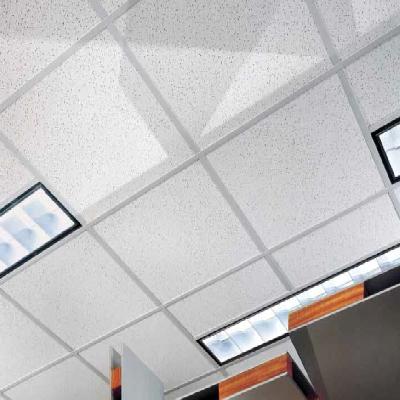
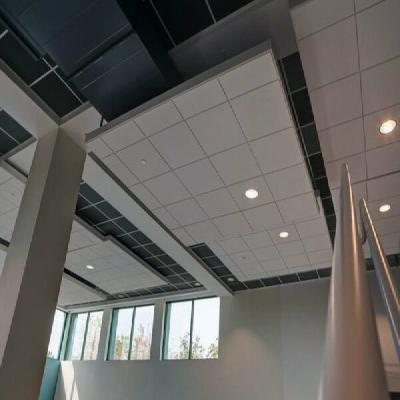
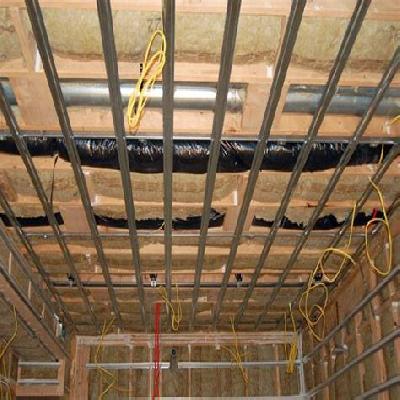
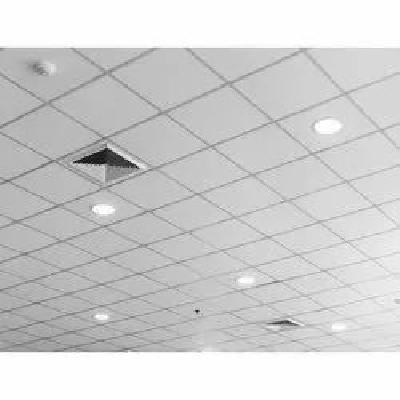
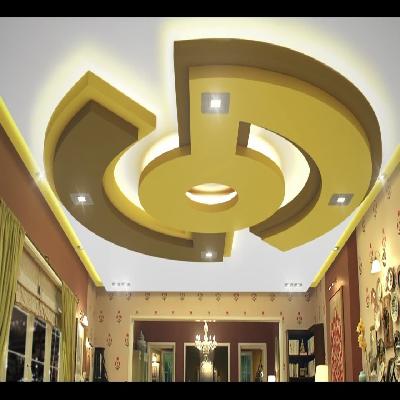
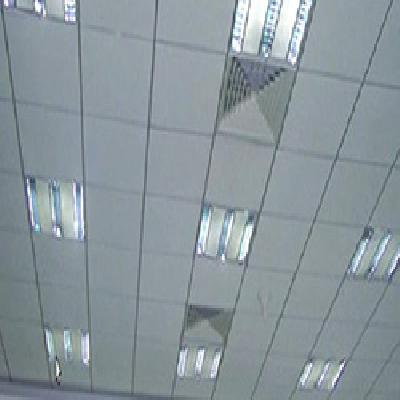
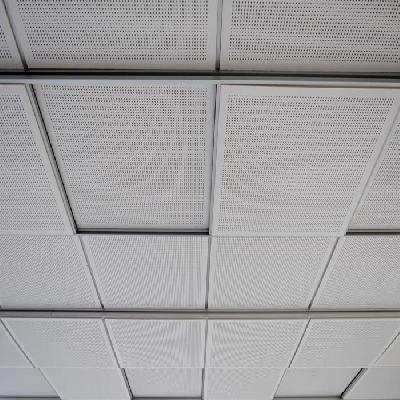
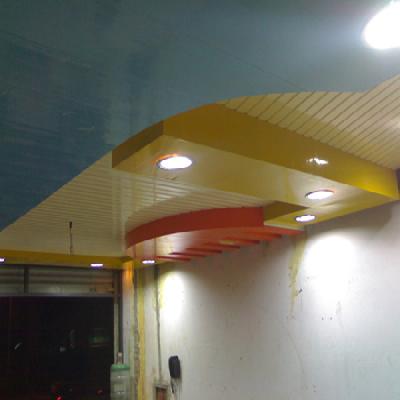
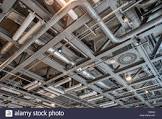
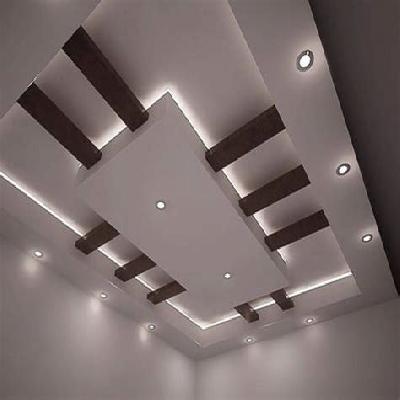
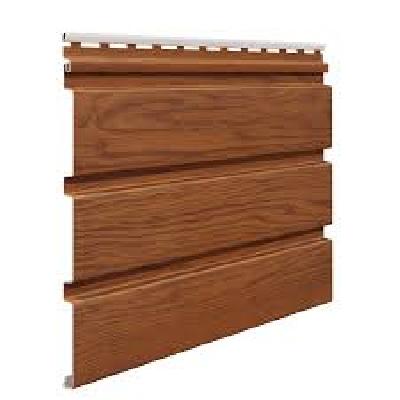
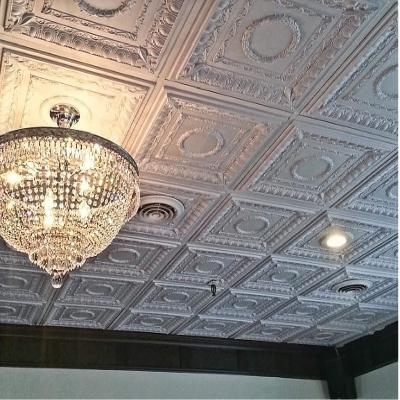
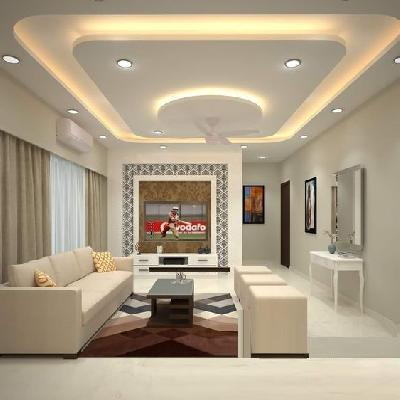
A false ceiling, also known as a dropped ceiling or suspended ceiling, is a secondary ceiling that is hung from the main structural ceiling of a building. It is typically made of lightweight materials such as gypsum, drywall, or acoustic tile and is used to conceal electrical wiring, ductwork, and other mechanical components.
Where To Use False Ceiling
False ceilings are commonly used in commercial and industrial buildings, such as offices, shopping malls, and factories. They can also be used in residential buildings to create a more aesthetically pleasing ceiling or to conceal uneven or damaged main ceilings.
Key Features Of False Ceiling
Lightweight and easy to install
Can be made of various materials, including gypsum, drywall, and acoustic tile
Conceals electrical wiring, ductwork, and other mechanical components
Can be used to create a more aesthetically pleasing ceiling
How To Use False Ceiling
Measure the area where the false ceiling will be installed
Cut the materials to size using a saw or a utility knife
Assemble the false ceiling components according to the manufacturer's instructions
Hang the false ceiling from the main structural ceiling using screws or nails
How False Ceiling Is Manufactured
The manufacturing process for false ceilings typically involves several steps, including material selection, cutting, and assembly. The materials used to make false ceilings are usually made from gypsum, drywall, or acoustic tile, which are cut to size using a saw or utility knife. The components are then assembled according to the manufacturer's instructions before being packaged and shipped to customers.
Technical Specification Of False Ceiling
Material:
Gypsum, Drywall, or Acoustic Tile
Thickness:
1/2 inch, 5/8 inch, or 3/4 inch
Size:
4x8 feet, 2x4 feet, or custom sizes
Edge Profile:
Square Edge, Beveled Edge, or Decorative Edge
Surface Finish:
Smooth, Textured, or Decorative
The technical specifications of false ceilings are designed to provide a clear understanding of the product's characteristics and performance. The material, thickness, size, edge profile, and surface finish are all important factors that affect the overall quality and functionality of the false ceiling.