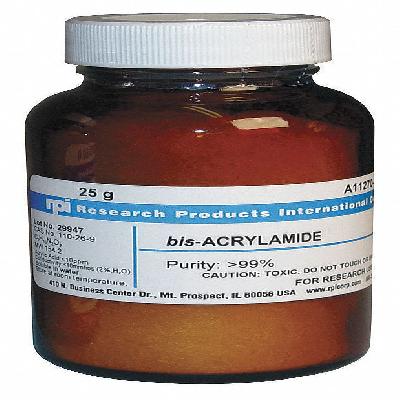
Sodium amide, also known as sodamide, is a chemical compound with the formula NaNH2. It is a highly reactive and moisture-sensitive solid that is used in various industrial processes. Sodium amide is a strong base and can react violently with water to produce ammonia and sodium hydroxide.
Where To Use Sodium Amide
Sodium amide is used as a catalyst in the production of various chemicals, such as alkylamines and alkylnitriles.
It is also used as a reagent in the synthesis of pharmaceuticals and other fine chemicals.
In the petroleum industry, sodium amide is used to improve the extraction and refining of petroleum products.
Key Features Of Sodium Amide
Highly reactive and moisture-sensitive.
Strong base that can react violently with water.
Used in various industrial processes, including catalysts, reagents, and petroleum refining.
How To Use Sodium Amide
Handle with care, as it is highly reactive and moisture-sensitive.
Use in a well-ventilated area, away from water sources.
Mix with other chemicals under strict control to avoid violent reactions.
How Sodium Amide Is Manufactured
Sodium amide is manufactured through the reaction of sodium metal with ammonia gas, followed by distillation to remove impurities.
Technical Specification Of Sodium Amide
Appearance:
White or light-colored solid
Purity:
>95% (typical)
Uses:
Catalyst, reagent, petroleum refining
Packaging:
Drums, jerry cans, or bulk containers
The technical specification of sodium amide includes its appearance as a white or light-colored solid, purity of >95% (typical), and uses as a catalyst, reagent, and petroleum refining chemical. It is packaged in drums, jerry cans, or bulk containers.