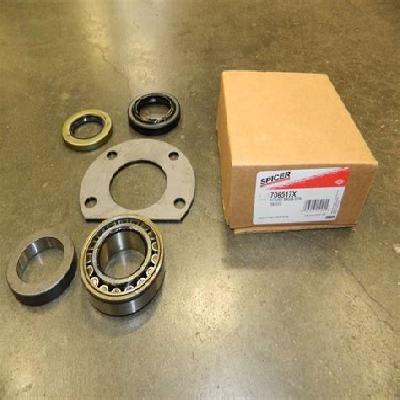
An axle bearing is a crucial component in the automotive industry, responsible for supporting the rotational movement of axles and wheels. It is designed to absorb shock loads and vibrations, ensuring smooth operation and extending the lifespan of the vehicle's drivetrain.
Where To Use Axle Bearing
Automobiles and trucks to support axle movement
Heavy machinery and equipment for rotational components
Industrial applications requiring smooth movement and load support
Key Features Of Axle Bearing
High load-carrying capacity for smooth operation
Durable construction with resistance to corrosion and wear
Easy installation and maintenance requirements
Low friction and noise levels during operation
How To Use Axle Bearing
Ensure proper installation and tightening of the bearing
Maintain regular lubrication to reduce friction and wear
Inspect and replace bearings as per manufacturer's guidelines
Avoid overloading or extreme temperatures affecting performance
How Axle Bearing Is Manufactured
Axle bearings are manufactured using high-quality materials and advanced technologies to ensure precision and durability. The process involves careful selection of raw materials, precise machining, and rigorous testing to meet industry standards.
Technical Specification Of Axle Bearing
Inner Diameter:
50mm
Outer Diameter:
70mm
Width:
30mm
Load Capacity:
3000kg
The technical specifications of an axle bearing are crucial in determining its performance and lifespan. The inner diameter, outer diameter, width, and load capacity all play a significant role in ensuring smooth operation and supporting the rotational movement of axles and wheels.