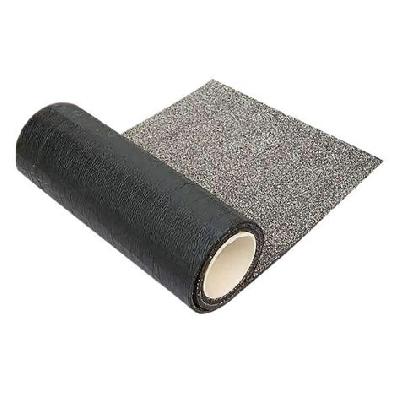
Bituminous membrane is a type of waterproofing material used in construction projects. It is a flexible and durable sheet that is designed to protect buildings from water damage and erosion.
Where To Use Bituminous Membrane
Roofs and walls of buildings
Basements and foundations
Ponds, lakes, and swimming pools
Underground structures and tunnels
Key Features Of Bituminous Membrane
Waterproof and durable
Flexible and easy to install
Resistance to chemicals and UV radiation
Easy to repair and maintain
How To Use Bituminous Membrane
Clean and prepare the surface before application
Apply a primer if necessary
Lay the membrane according to the manufacturer's instructions
Overlap seams by at least 100mm for optimal waterproofing
How Bituminous Membrane Is Manufactured
Bituminous membrane is manufactured through a process of compounding, calendaring, and cutting.
Technical Specification Of Bituminous Membrane
Thickness:
1.5mm to 3.0mm
Width:
1m to 2.5m
Roll Length:
10m to 50m
Weight:
5kg to 25kg per roll
The technical specifications of bituminous membrane are designed to provide optimal performance and durability in various construction applications.
Description Of Bituminous Membrane
Bituminous membrane is a type of waterproofing material that is designed to protect buildings from water damage and erosion.
Related Products & Synonyms Of Bituminous Membrane
Some related products of bituminous membrane include: