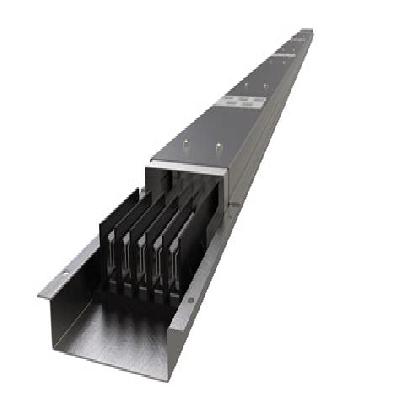
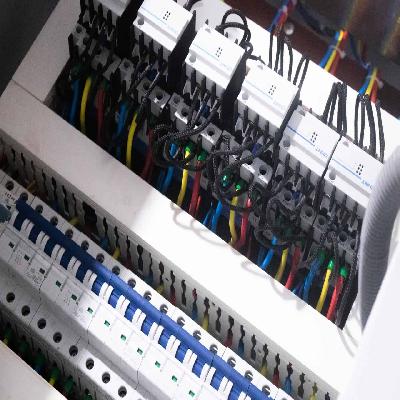
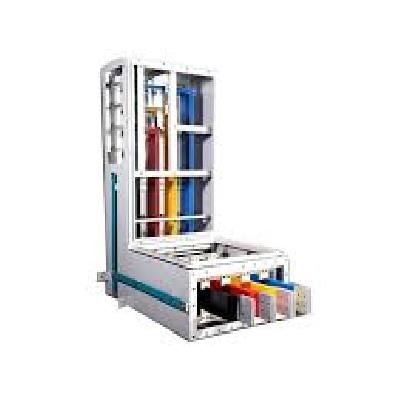
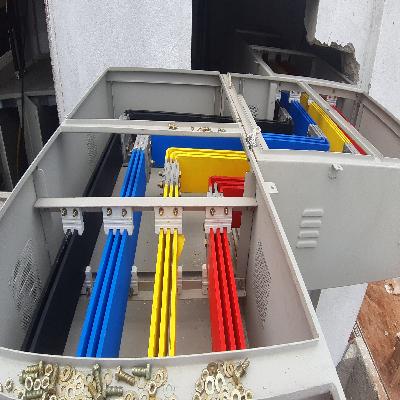
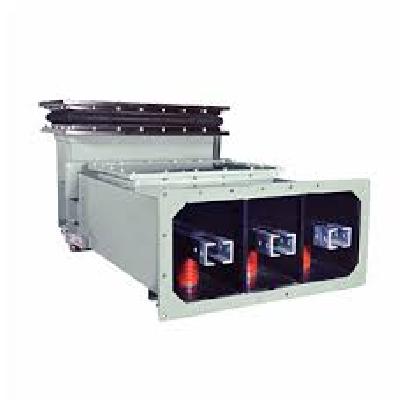
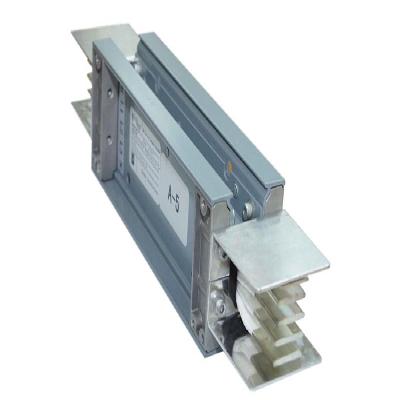
Bus ducts are electrical systems used to distribute power in commercial and industrial settings. They consist of a series of metal enclosures that house insulated conductors, which carry electrical current between equipment.
Where To Use Bus Ducts
Bus ducts are typically used in applications where high power requirements and long distances between equipment necessitate a centralized power distribution system.
Key Features Of Bus Ducts
High Power Handling Capacity
Durable Metal Enclosures
Insulated Conductors for Electrical Safety
Compact Design for Space Optimization
How To Use Bus Ducts
Plan the Power Distribution System to Ensure Proper Load Handling
Select Appropriate Conductor Material and Insulation Type
Carefully Install and Connect Bus Ducts to Prevent Electrical Shock or Fire Hazards
Maintain Regularly and Perform Periodic Inspections for Optimal Performance
How Bus Ducts Is Manufactured
The manufacturing process for bus ducts involves several stages, including material selection, assembly of metal enclosures, installation of insulated conductors, and final testing and inspection.
Technical Specification Of Bus Ducts
Rated Current (A)
630
Conductor Material
Copper
Enclosure Type
Galvanized Steel
Rated Voltage (V)
480
Length per Section (m)
10
The technical specifications of bus ducts listed above are for a standard model with the rated current, conductor material, enclosure type, rated voltage, and length per section as specified. However, please note that these specifications may vary depending on the specific application and requirements.
Description Of Bus Ducts
Bus ducts are designed to provide a safe and efficient means of distributing power in commercial and industrial settings. They consist of a series of metal enclosures that house insulated conductors, which carry electrical current between equipment.