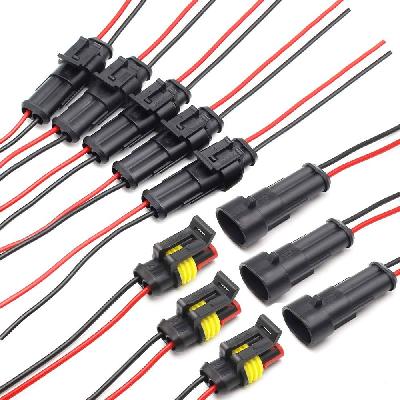
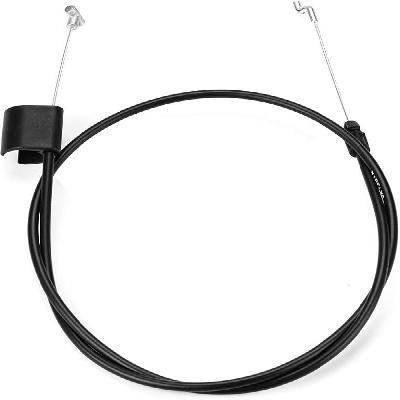
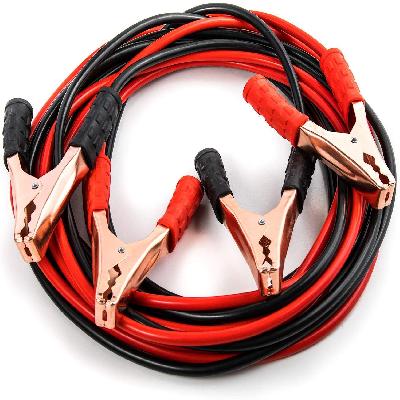
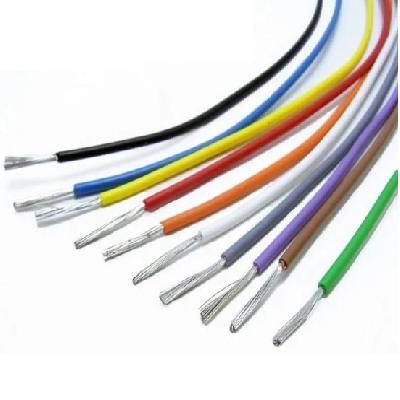
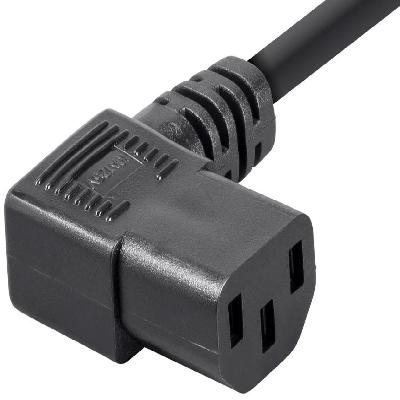
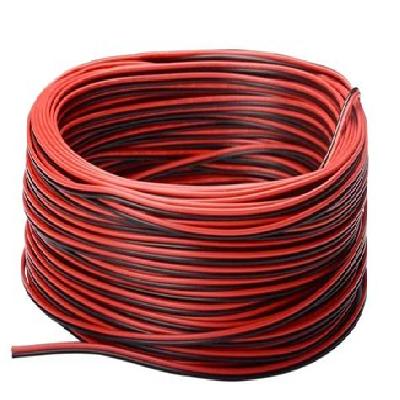
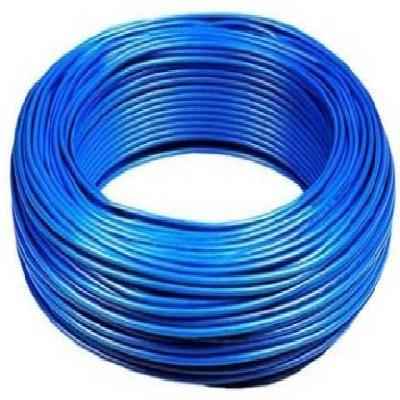
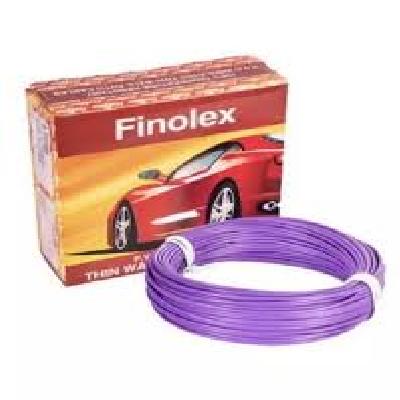
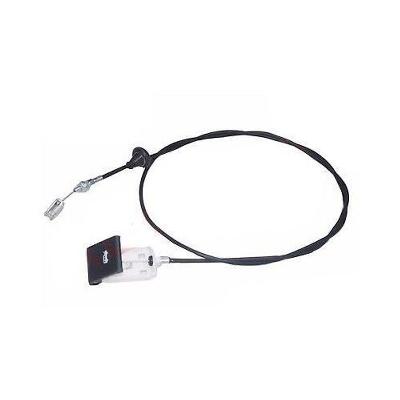
Automotive cables are a type of electrical cable used in vehicles to connect various components such as the battery, starter motor, and accessories. They are designed to withstand the harsh conditions found in a vehicle's electrical system, including extreme temperatures, vibrations, and exposure to moisture.
Where To Use Automotive Cables
Connect the battery to the starter motor and accessories.
Connect the wiring harness to the electrical components of the vehicle.
Use as a jumper cable for starting a dead vehicle.
Key Features Of Automotive Cables
High-quality insulation to protect against electrical shock and moisture.
Flexible design for easy routing and installation.
Durable construction to withstand extreme temperatures and vibrations.
How To Use Automotive Cables
Always follow the manufacturer's instructions for installation and use.
Ensure proper connection to prevent damage to the vehicle's electrical system.
Avoid using damaged or frayed cables, as they can cause a short circuit.
How Automotive Cables Is Manufactured
Automotive cables are manufactured using high-quality materials and advanced machinery to ensure precise control over the production process. The raw materials, including copper wires and insulation materials, are sourced from reputable suppliers to guarantee the highest standards of quality and reliability.
Technical Specification Of Automotive Cables
Insulation Type:
PVC (Polyvinyl Chloride)
Temperature Rating:
-40°C to +120°C
Color:
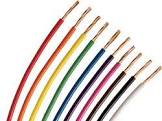
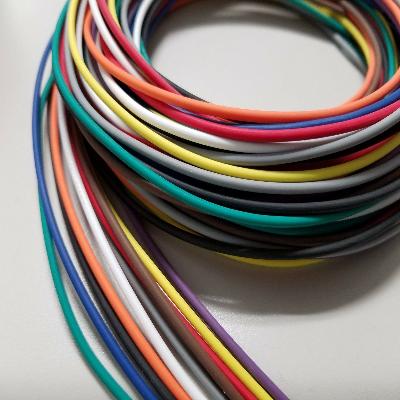
Red, Blue, Yellow
Conductor Type:
Copper
Length:
Available in various lengths, up to 10 meters
The technical specification of automotive cables is designed to meet the demands of modern vehicles. The PVC insulation provides excellent protection against electrical shock and moisture, while the copper conductor ensures high conductivity and durability. The temperature rating of -40°C to +120°C makes it suitable for use in extreme temperatures, and the color-coded design facilitates easy identification and installation.
Description Of Automotive Cables
Automotive cables are designed to provide reliable and efficient electrical connections in vehicles. They are constructed with high-quality materials and advanced machinery to ensure precise control over the production process.
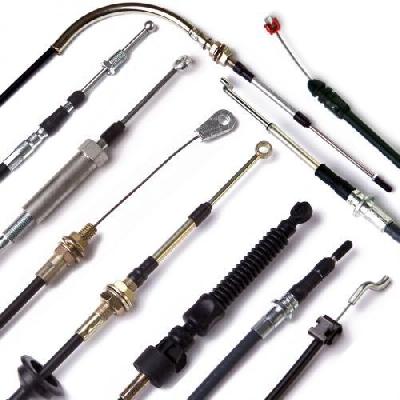
Related Products & Synonyms Of Automotive Cables
The related products of automotive cables include:
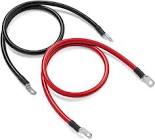
Battery Cables: Used to connect the battery to the starter motor and accessories.
Automotive Cables: A general term for electrical cables used in vehicles.
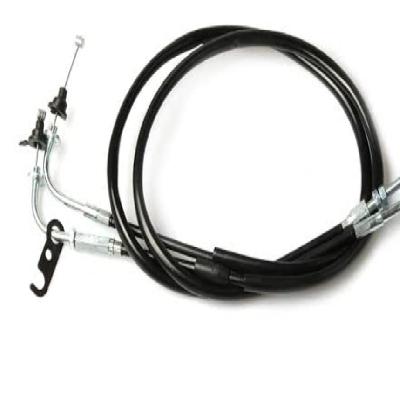
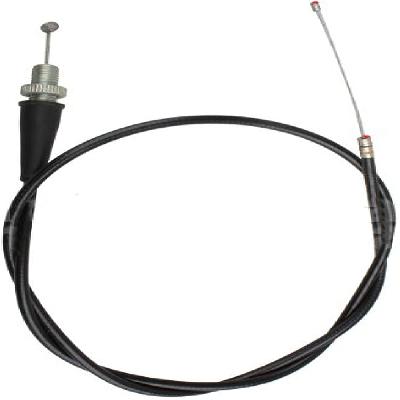
Accelerator Cable: Connects the accelerator pedal to the engine.
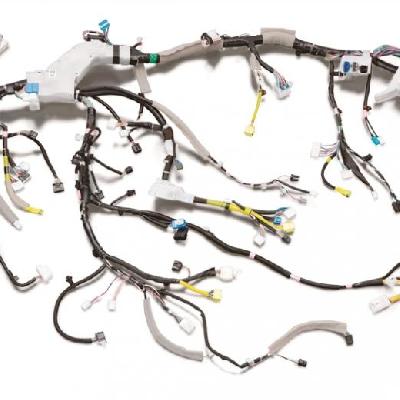
Automotive Wiring Harness: A bundle of wires and connectors that connect various components.
Automotive Wire: Used for connecting individual components or as part of a wiring harness.
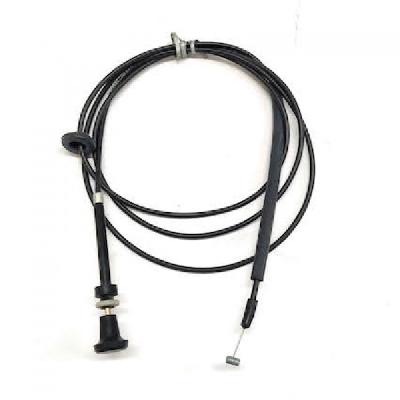
Choke Cable: Regulates the air-fuel mixture in the engine.
Motorcycle Throttle Cable: Connects the throttle to the engine on motorcycles.
Suprajit Automotive Cable: A specific brand of automotive cables.
Auto Electrical Cable: A general term for electrical cables used in vehicles.
Engine Stop Cable: Regulates the engine's operation.
Battery Jumper Cable: Used to jump-start a dead vehicle.
PVC Automotive Cables: A type of automotive cable with PVC insulation.