Diesel fuels are a type of fuel used in diesel engines to generate power and motion. They are derived from petroleum-based feedstocks and are designed to meet specific performance criteria.
Where To Use Diesel Fuels
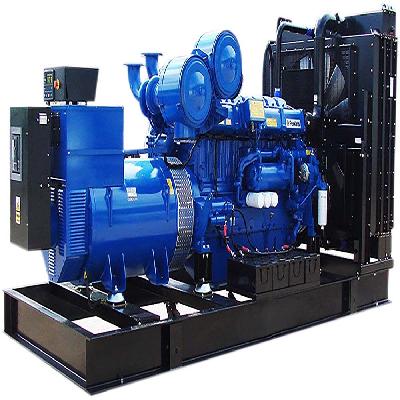
Diesel fuels are commonly used in various applications, including transportation (trucks, buses, trains), industrial equipment (pumps, generators, compressors), and power generation.
Key Features Of Diesel Fuels
High energy density and efficiency
Good lubricity and wear resistance
Low sulfur content and emissions
Compatibility with diesel engine designs
How To Use Diesel Fuels
Fill diesel fuel tank to recommended level
Pump or inject diesel fuel into engine
Start and run engine as needed
How Diesel Fuels Is Manufactured
The production process for diesel fuels involves refining crude oil to extract petroleum-based feedstocks, followed by further processing and blending to meet specific performance criteria.
Technical Specification Of Diesel Fuels
Sulfur Content:
Less than 10 ppm
Applications:
Transportation, industrial equipment, power generation
Density (kg/L):
0.83 - 0.87
Emissions:
Low NOx, PM, and CO2 emissions
The technical specifications for diesel fuels are designed to meet specific performance criteria, including low sulfur content, high energy density, good lubricity, and low emissions. The specification table provides a summary of the key technical parameters for diesel fuels.
Description Of Diesel Fuels
Diesel fuels are a complex mixture of hydrocarbons, designed to meet specific performance criteria in diesel engines. They have a high energy density and efficiency, making them suitable for various applications.
Related Products & Synonyms Of Diesel Fuels
The related products of diesel fuels include other types of fuel, such as gasoline and jet fuel, while synonyms refer to alternative names for diesel fuels, including distillate fuel oil.