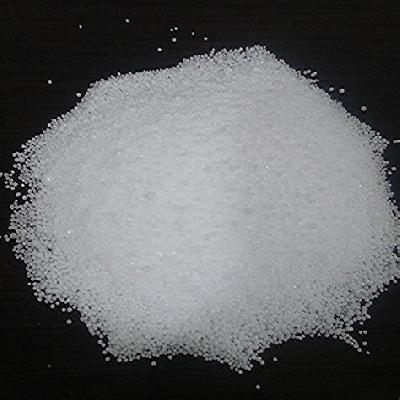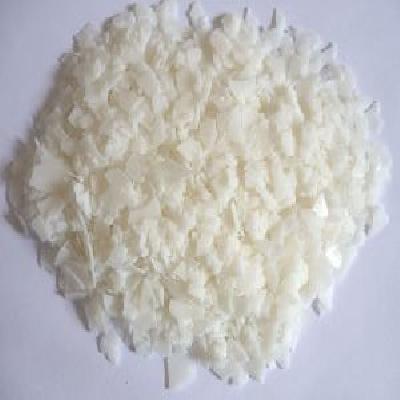
Stearic acid is a long-chain saturated fatty acid commonly used in various industrial applications. It has a chemical formula of C18H36O2 and is derived from animal fats or vegetable oils through a process of hydrogenation.
Where To Use Stearic Acid
Stearic acid is used as a surfactant in various industrial applications, such as in the production of soaps, detergents, and cosmetics.
It is also used as an emulsifier in food products, such as chocolate and baked goods.
In addition, stearic acid is used as a lubricant and stabilizer in various industrial processes.
Key Features Of Stearic Acid
High melting point and thermal stability.
Good emulsification properties in water and oil systems.
Chemical inertness and non-toxicity.
How To Use Stearic Acid
Melt stearic acid in a suitable solvent or blend with other materials to achieve the desired consistency.
Use as an additive in various industrial processes, such as soap making, cosmetics production, and food processing.
How Stearic Acid Is Manufactured
Stearic acid is typically manufactured through the hydrogenation of vegetable oils or animal fats. This process involves adding hydrogen gas to the oil under high pressure and temperature conditions.
The technical specification of stearic acid is critical in ensuring its quality and performance in various industrial applications. The purity level of 99% minimum ensures that the product meets the required standards for use in cosmetics production, food processing, and other industries.
Description Of Stearic Acid
Stearic acid is a white or yellowish solid with a characteristic odor and taste. It has a high melting point and is highly stable under various conditions.
Related Products & Synonyms Of Stearic Acid
Stearic acid is often used in combination with other materials, such as glycerin and water, to create various industrial products. Its synonyms include Octadecanoic Acid.