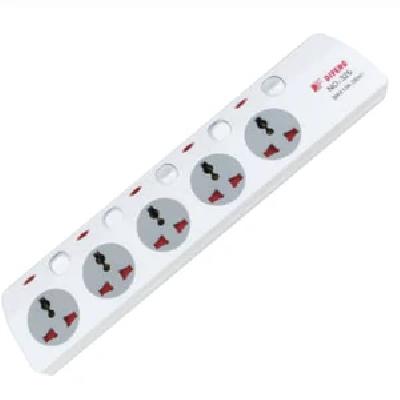
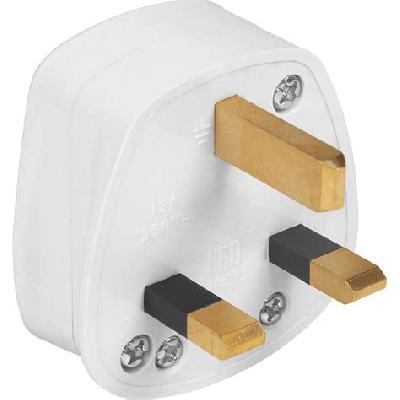
Plug tops are electrical connectors that are designed to fit into sockets in order to provide power to various devices and equipment. They come in different types, including two-pin and three-pin versions, depending on the specific requirements of the application.
Where To Use Plug Tops
Plug tops are used in a variety of settings, including residential and commercial buildings, as well as industrial facilities. They are commonly used to power lamps, appliances, and other electrical devices.
Key Features Of Plug Tops
Comes in two-pin and three-pin versions for different applications
Designed to fit into sockets to provide power to devices and equipment
Available in various current ratings and voltage ratings
Made from durable materials such as plastic or metal
Suitable for use in residential, commercial, and industrial settings
How To Use Plug Tops
Insert plug top into socket to provide power to device or equipment
Makes sure plug top is securely seated in socket to prevent electrical shock or fire hazard
Avoid overloading plug top with excessive current rating
Regularly inspect plug top for signs of wear and tear, such as fraying or damage to cord
Replace plug top if it becomes damaged or worn out
How Plug Tops Is Manufactured
The manufacturing process of plug tops involves several stages, including material selection, tooling and molding, assembly, and testing. The materials used for plug tops are typically plastic or metal, which are selected based on their durability, electrical conductivity, and resistance to corrosion.
Technical Specification Of Plug Tops
Pin Type:
2-pin and 3-pin
Current Rating:
10A, 15A, and 20A
Voltage Rating:
230V, 240V, and 250V
Body Material:
Plastic and metal
Mount Type:
Screw and snap-on
The technical specification of plug tops is designed to ensure safe and efficient use in various applications. The pin type, current rating, voltage rating, body material, and mount type are all critical factors that determine the suitability of a plug top for a particular task.