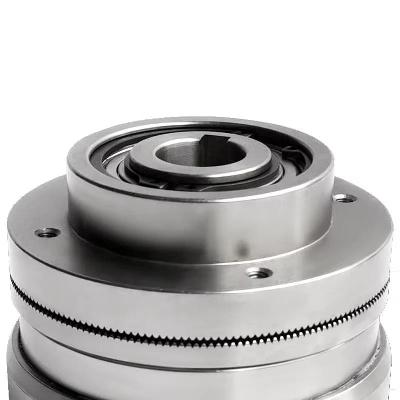
Pneumatic clutches are mechanical devices that use compressed air or gas to engage and disengage power transmission.
Where To Use Pneumatic Clutches
Pneumatic clutches are commonly used in machinery and equipment that requires precise control over power transmission, such as conveyor belts, elevators, and cranes.
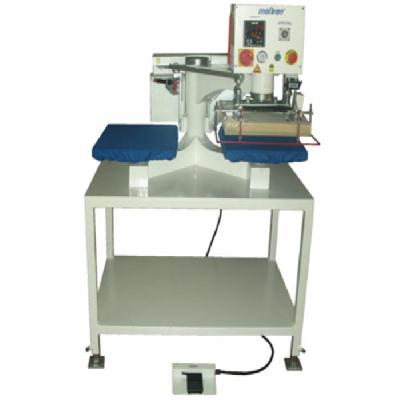
They are also used in applications where a high level of precision and accuracy is required, such as in textile manufacturing and printing machines.
Key Features Of Pneumatic Clutches
Fast and smooth engagement and disengagement of power transmission.
High precision and accuracy in controlling power transmission.
Long lifespan and low maintenance requirements.
Compact design and lightweight construction.
How To Use Pneumatic Clutches
Connect the pneumatic clutch to a compressed air supply line.
Adjust the air pressure and flow rate according to the manufacturer's specifications.
Engage or disengage power transmission by opening or closing the clutch valve.
How Pneumatic Clutches Is Manufactured
Pneumatic clutches are manufactured using high-quality materials and advanced manufacturing techniques to ensure precision and reliability.
Technical Specification Of Pneumatic Clutches
Operating Pressure:
10-15 bar (145-217 psi)
Bore Size:
50-100 mm (2-4 in)
Torque Capacity:
1000-5000 Nm (738-3672 lb-ft)
Mounting Style:
Flange, Shaft or Foot Mount
The technical specifications of pneumatic clutches are designed to provide a high level of precision and control over power transmission in various applications.