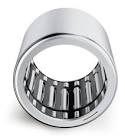
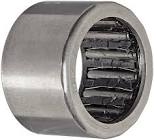
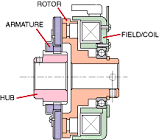
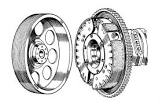
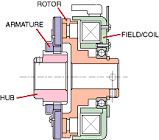
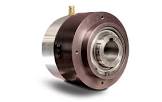
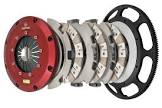
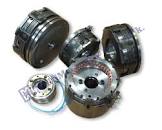
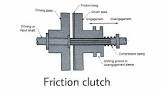
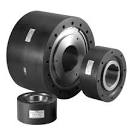
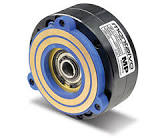
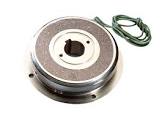
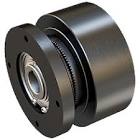
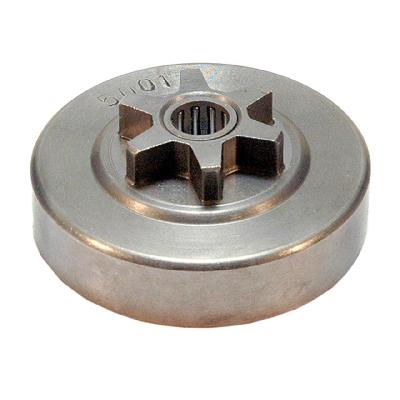
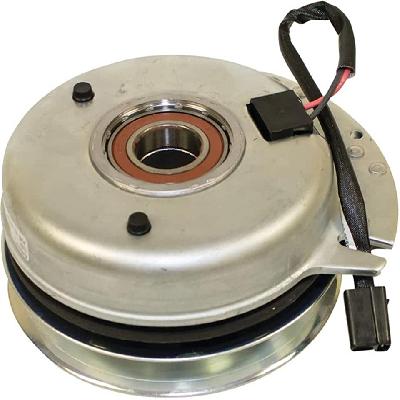
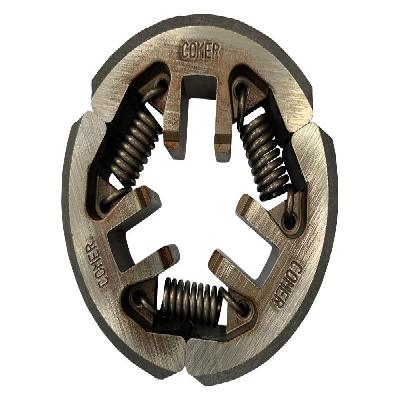
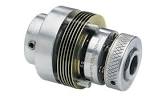
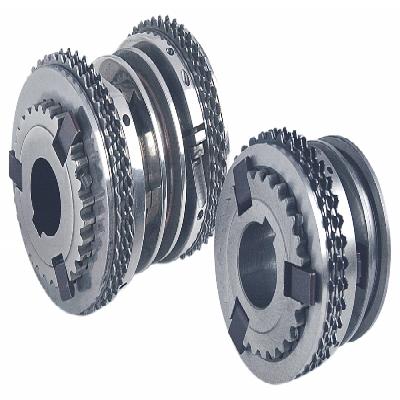
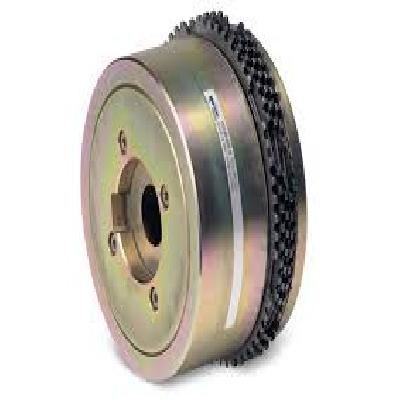
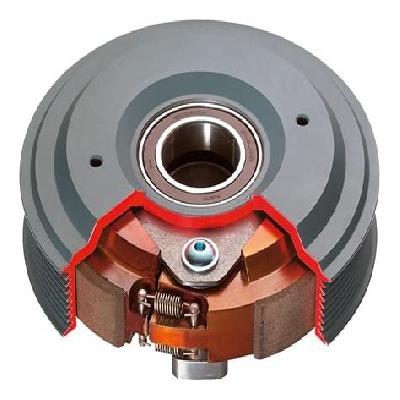
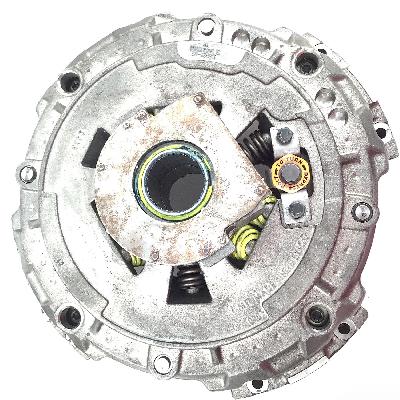
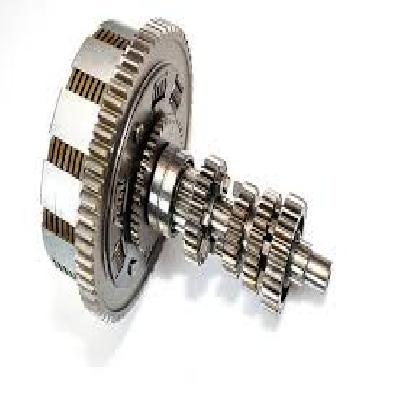
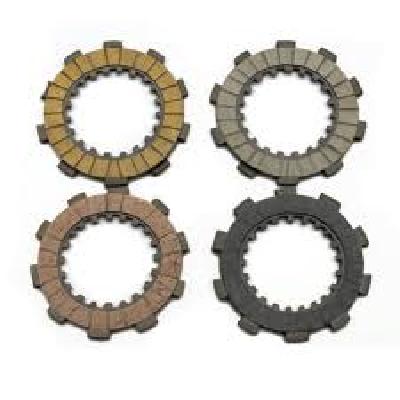
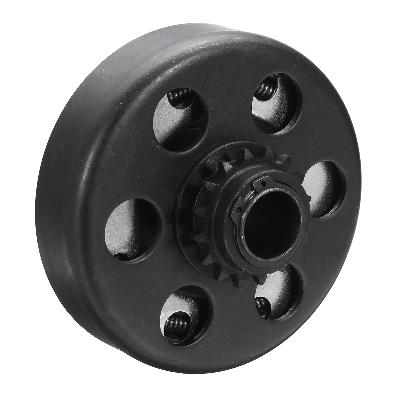
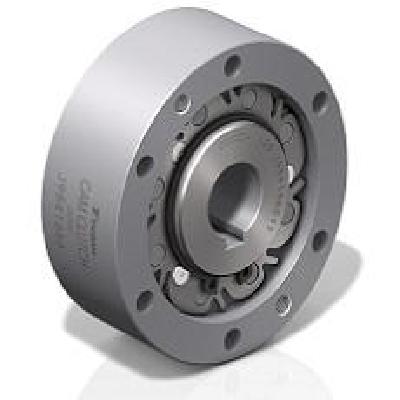
A mechanical clutch is a device used to transmit power from an engine or motor to a transmission system, allowing the engine to rotate at a different speed than the wheels. It consists of friction plates, pressure plates, and release bearings that work together to engage and disengage power transfer.
Where To Use Mechanical Clutches
Motorsports applications, such as racing cars or motorcycles.
Heavy-duty industrial machinery, like cranes or hoists.
Automotive transmissions in high-performance vehicles.
Key Features Of Mechanical Clutches
High torque capacity for heavy-duty applications.
Compact design for space-saving installation.
Long lifespan with minimal maintenance required.
Durable construction to withstand harsh environments.
How To Use Mechanical Clutches
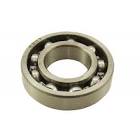
Engage the clutch by pressing the release bearing against the pressure plate.
Disengage the clutch by releasing the pressure plate, allowing the engine to rotate freely.
Maintain proper lubrication and adjust the clutch accordingly for optimal performance.
How Mechanical Clutches Is Manufactured
Mechanical clutches are manufactured through a combination of machining and assembly processes. The friction plates and pressure plate are cut and machined to precise specifications, while the release bearings are sourced from specialized suppliers.
Technical Specification Of Mechanical Clutches
Torque Capacity (Nm)
300-500
Bore Diameter (mm)
50-80
Speed Range (RPM)
5000-10000
Material
Steel, Aluminum, or Carbon Fiber
Packaging Type
Boxed or Palletized
The technical specifications of mechanical clutches are crucial for ensuring proper installation and operation in various applications. The torque capacity, bore diameter, speed range, material, and packaging type must be carefully considered to ensure optimal performance and longevity.
Description Of Mechanical Clutches
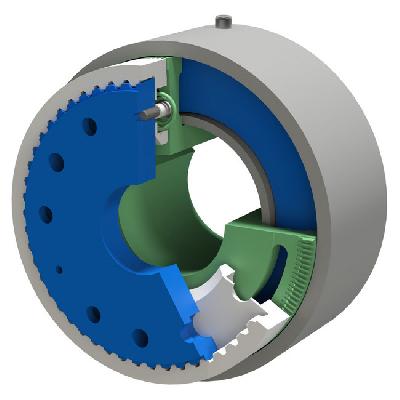
Mechanical clutches are designed to transmit power from an engine or motor to a transmission system, allowing the engine to rotate at a different speed than the wheels. They consist of friction plates, pressure plates, and release bearings that work together to engage and disengage power transfer.
Related Products & Synonyms Of Mechanical Clutches
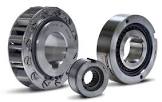
One Way Clutches: designed for one-way power transmission, typically used in applications where power must be transmitted in only one direction.
Roller Clutches: use a roller mechanism to transmit power, often used in high-torque applications.
Electromagnetic Clutches: use electromagnetic forces to engage and disengage power transfer, commonly used in automotive applications.
Centrifugal Clutches: use centrifugal force to engage and disengage power transfer, typically used in industrial machinery.
Magnetic Clutches: use magnetic forces to engage and disengage power transfer, often used in applications where electrical power is required.
Pneumatic Clutches: use compressed air or gas to transmit power, commonly used in industrial applications.
The synonyms for mechanical clutches include various types of clutches designed for specific applications and industries. These related products offer unique features and advantages over traditional mechanical clutches, making them suitable for a range of applications.